
Equipment for greenhouses
-
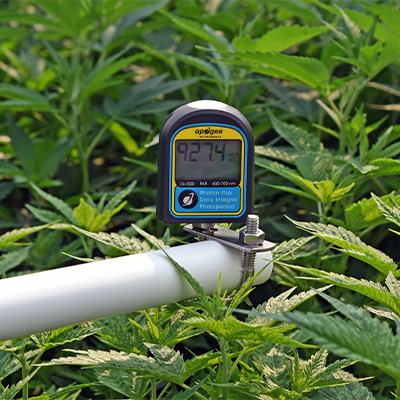
Daily Light Integral – DLI 400/500/600
SKU: DLI 400/500/600 -
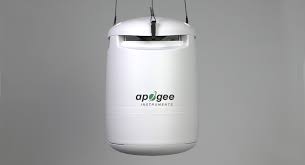
ePAR Guardian CEA Multi-Sensor Monitor – SM-600
SKU: SM-600 -
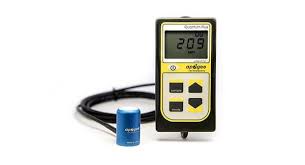
ePAR Meter 380-760 nm – MQ-610
SKU: MQ-610 -
ePAR Sensor 380-760 nm – SQ-610
SKU: SQ-610 Series -
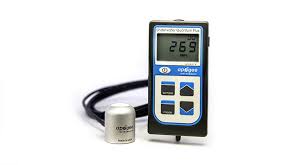
ePAR Underwater Meter – MQ-650
SKU: MQ-650 -
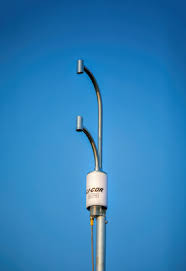
Evapotranspiration Sensor – LI-710
SKU: LI-710 -
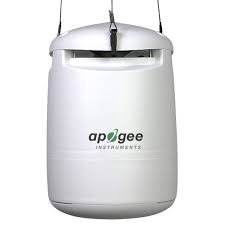
Full-Spectrum Guardian CEA Multi-Sensor Monitor – SM-500
SKU: SM-500 -
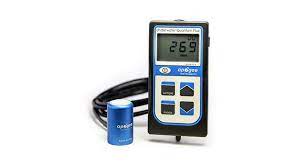
Full-Spectrum Underwater Quantum Meter – MQ-510
SKU: MQ-510 -
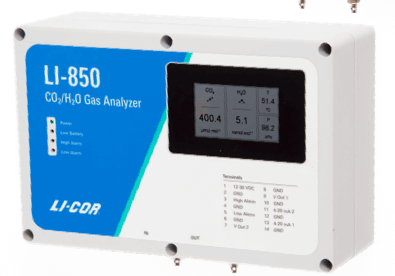
Gas Analyzers – LI-830-850
SKU: LI-830-850 -
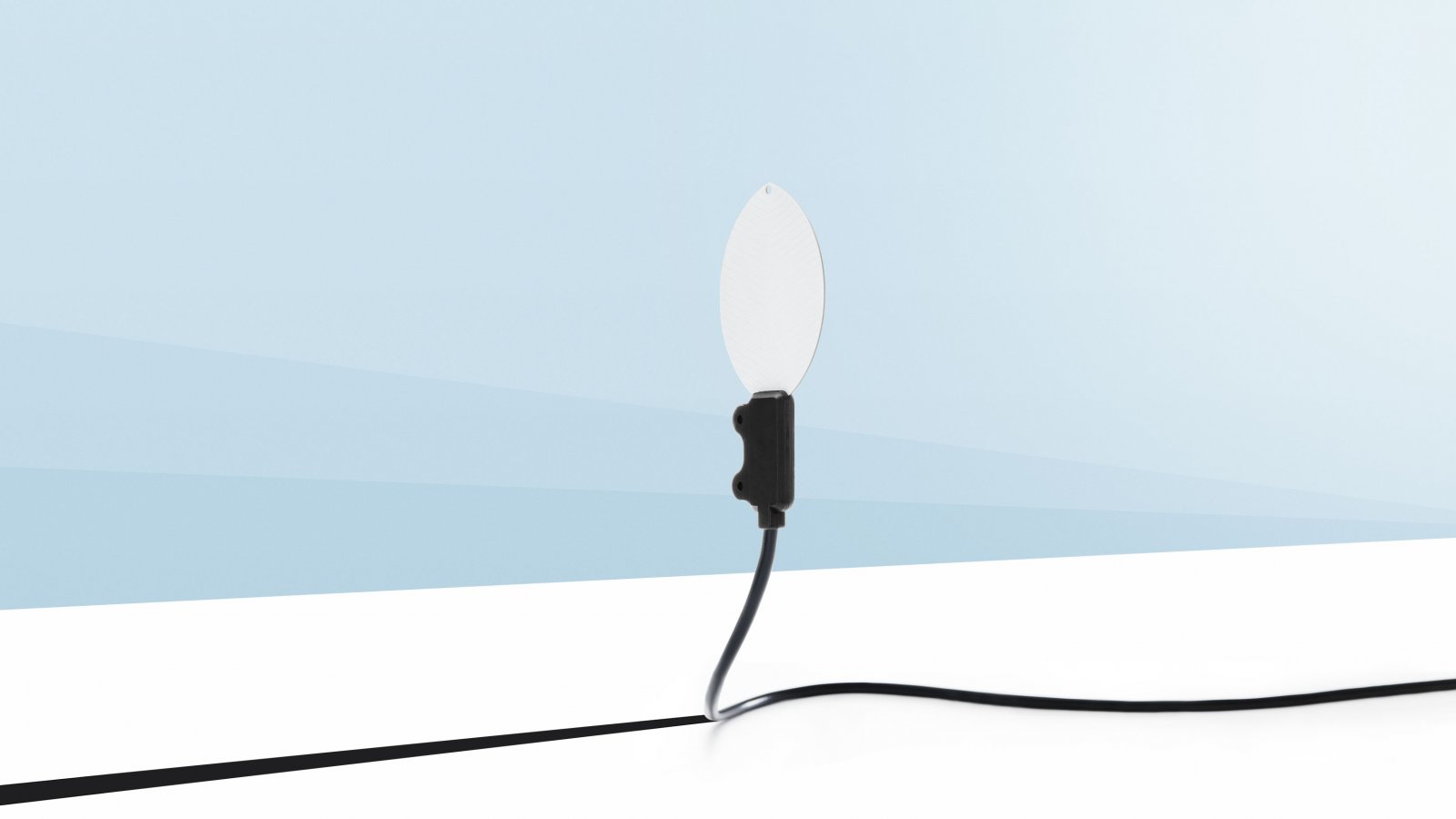
Leaf wetness sensor – Phytos 31
SKU: Phytos 31 -
Portable photosynthetic meter – MQ-200X
SKU: MQ-200X -
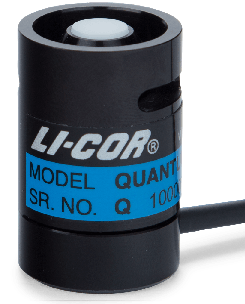
Quantum Sensor – LI-190R
SKU: LI-190R -
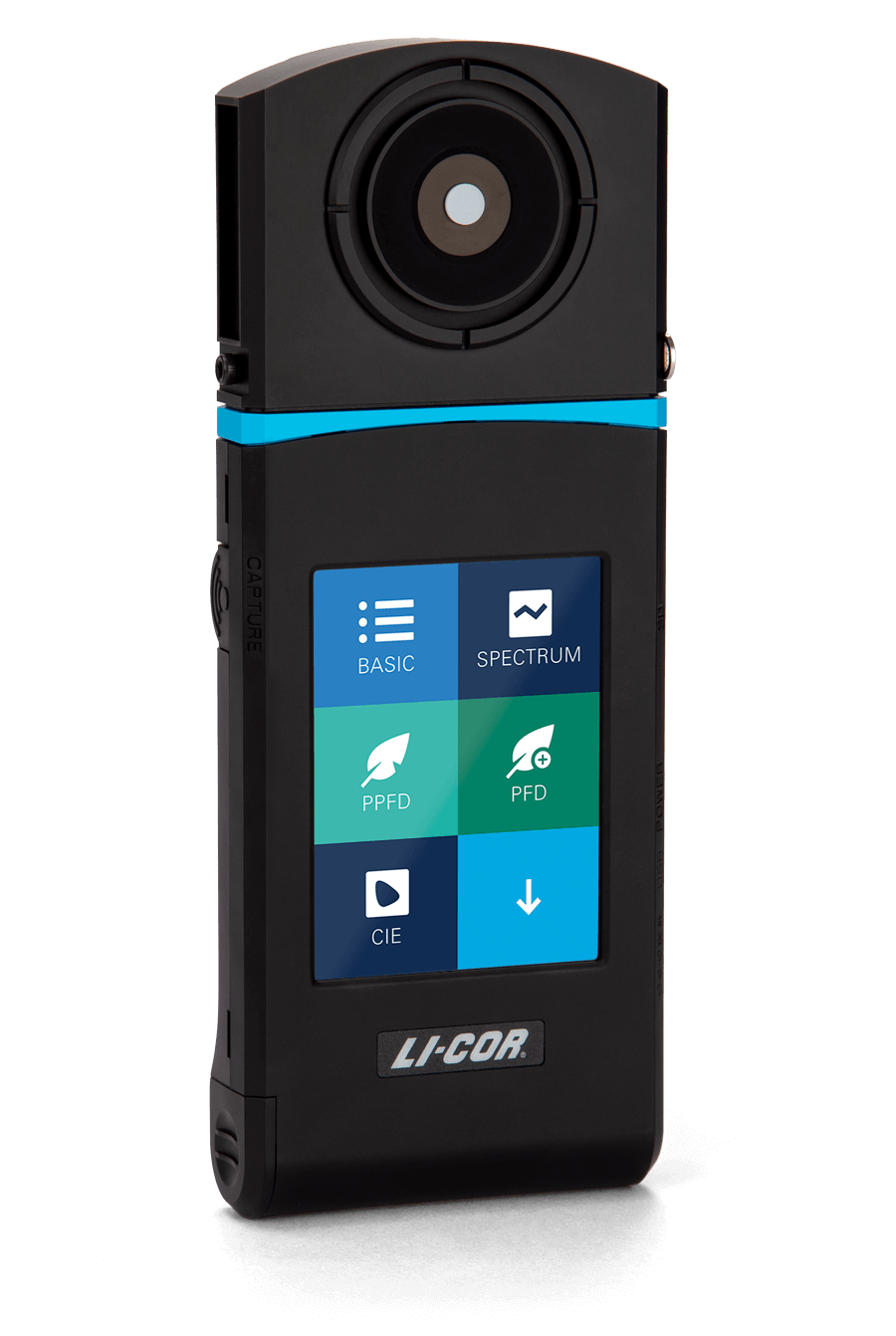
Spectrometer – LI-180
SKU: LI-180 -
Soil Moisture Profile Probe – TEROS 54
SKU: TEROS 54
Greenhouse equipment makes it possible to measure, record and control the environmental conditions that affect plant development. Temperature, relative humidity, solar radiation, substrate moisture, soil temperature and other conditions can change rapidly inside the greenhouse and directly affect growth rate, water consumption, disease development, produce quality and final yield.
Unlike open-field cultivation, a greenhouse makes it possible to create a more controlled growing environment. However, taking advantage of an enclosed structure requires reliable information about the conditions inside it. Relying on intuition, occasional manual checks or measurement at a single point does not always provide a complete picture of the growing environment.
Professional greenhouse measurement systems provide continuous data and make it possible to detect changes, compare zones, examine the effect of irrigation and ventilation, and make decisions based on actual data. Using sensors, multi-sensors and data loggers, a monitoring system can be set up that is tailored to the crop type, the size of the greenhouse and the required level of control.
Meteo-Tech supplies professional equipment for greenhouses, precision agriculture and agricultural research, including sensors for measuring environmental conditions, integrated systems and data loggers for collecting, recording and analyzing measurements over time.
Why Is It Important to Monitor Environmental Conditions in the Greenhouse?
Plants respond continuously to changes in their environment. A change in temperature, a rise in humidity, a drop in radiation or a lack of water in the substrate can affect photosynthesis, stomatal opening, transpiration rate and the uptake of water and fertilizer.
Significant differences can develop between different zones of a greenhouse. The temperature near the vents may differ from that measured in the center of the structure. Humidity near dense plants may be higher than in an open area. The type of covering, the orientation of the structure, fan operation and sensor height also affect measurement results.
Professional monitoring makes it possible to:
- Detect temperature and humidity anomalies
- Track water availability to the plant
- Plan more precise irrigation
- Check the efficiency of ventilation and cooling
- Reduce conditions that promote disease
- Compare different zones of the greenhouse
- Record growing conditions throughout the season
- Detect faults in equipment and control systems
- Examine the effect of lighting and shading
- Improve the uniformity of the growing environment
The collected data does not replace the knowledge of the grower or agronomist, but provides a more accurate basis for decision-making.
What Data Is Measured in a Greenhouse?
A greenhouse equipment system can include various sensors, depending on the crop type and the measurement objectives.
Air Temperature
Air temperature affects growth rate, respiration, photosynthesis, flowering, ripening and disease development. Each crop has preferred temperature ranges, and sometimes also a difference between the desired daytime and nighttime temperatures.
Continuous measurement makes it possible to detect overheating at midday, sharp drops at night, differences between parts of the greenhouse and faults in heating, cooling or ventilation systems.
When installing a temperature sensor, it is important to choose a location that is representative of the plant zone. A sensor installed near the greenhouse roof, in direct sunlight or close to a heat source may report a value that does not reflect the conditions the plants are exposed to.
Relative Humidity
Relative humidity is a key parameter in greenhouse management. High humidity can reduce the transpiration rate and increase the risk of condensation and fungal disease development. Humidity that is too low may increase water loss and cause plant stress.
The meaning of a humidity value also depends on temperature. When the temperature changes, so does the amount of water vapor the air can hold. Correct analysis of the growing environment therefore usually requires combined measurement of temperature and humidity.
The data can be used to examine the efficiency of ventilation, shading, fogging and heating, and to identify the hours when problematic conditions arise.
Dew Point
The dew point is the temperature at which water vapor in the air begins to condense. When the temperature of the leaves or greenhouse surfaces approaches the dew point, water droplets may form.
Condensation on leaves can create an environment favorable to disease development. Calculating the dew point from temperature and humidity can therefore help trigger ventilation, heating or other control measures before significant condensation forms.
Growing Substrate Moisture
Sensors for measuring substrate water content provide information on the amount of water available in the root zone. Measurement can be carried out in soil, coco coir, growing mixes and other substrates, depending on the sensor and the appropriate calibration.
Irrigation on a fixed schedule is not always suited to changing conditions. Water consumption is affected by crop type, growth stage, temperature, radiation, humidity and plant size.
Measuring substrate moisture makes it possible to:
- Detect when the substrate is drying out
- Check the effect of each irrigation cycle
- Prevent overwatering
- Reduce water deficits
- Compare beds or growing containers
- Check irrigation system uniformity
- Track the substrate drying rate
- Plan irrigation intervals
To obtain representative information, it is important to install the sensor in the root zone, in a location that is not unusually affected by a single dripper or by a dry spot that is not representative of the crop as a whole.
Soil or Substrate Temperature
Root zone temperature affects root activity, uptake of water and nutrients, and plant development. In soilless substrates, nurseries and sensitive crops, measuring substrate temperature can provide important information in addition to air temperature.
Sharp changes may be caused by solar radiation, irrigation with cold or warm water, heating systems or nighttime conditions. Continuous monitoring makes it possible to identify patterns of change and assess their effect on the crop.
Solar Radiation
Solar radiation is the energy source for photosynthesis and also affects temperature and water consumption. Inside the greenhouse, the radiation level is affected by the covering material, dust accumulation, shade nets, the greenhouse structure and the season.
Radiation measurement makes it possible to examine how much energy actually reaches the plants, not just what the radiation is outside the structure. By comparing internal and external measurements, it is possible to check radiation transmission through the covering and the effect of shading.
PAR Radiation
PAR is the range of radiation active in the photosynthesis process. This measurement provides information on the amount of light available to plants in the range relevant to photosynthetic activity.
PAR sensors are suitable for plant research, evaluating artificial lighting, comparing light fixtures and tracking light conditions at plant height.
In growing systems that include LED lighting or supplemental lighting, the measurement can help assess light distribution and uniformity across different zones.
Leaf Wetness
A leaf wetness sensor is designed to assess the presence and duration of water on the leaf surface. Prolonged wetness can increase the risk of certain diseases developing.
The data can be integrated into agricultural models and into decisions related to ventilation, heating, pest control and management of the growing environment.
Greenhouse Multi-Sensor
A multi-sensor is a measurement unit that combines several sensors in a single housing. Instead of installing a separate instrument for each variable, several environmental parameters can be measured with one compact system.
Depending on the model, a greenhouse multi-sensor may include measurement of temperature, humidity, radiation and other environmental data. Some systems include a built-in data logger that allows measurements to be stored and changes to be examined over time.
The advantages of a multi-sensor include:
- Relatively simple installation
- A single central connection
- Fewer cables and components
- Synchronized measurement of several variables
- Easier maintenance
- Suitability for small and medium-sized projects
- Can be moved between zones
- Continuous recording of environmental conditions
However, large systems or advanced research may require separate sensors installed at different heights and locations. The choice between a multi-sensor and a modular system should be based on the purpose of the measurement and not only on ease of installation.
Data Loggers for Greenhouses
A data logger is a unit that receives measurements from the sensors and stores them over time. Instead of seeing only the current value, you can review graphs, trends, minimum and maximum values and unusual events.
Continuous data collection is particularly important in greenhouses, because significant changes can occur at hours when no one is on site. For example, a drop in temperature at night, a rise in humidity toward morning or a fault in the ventilation system may only be detected when data is stored around the clock.
A data logger can be used for:
- Storing measurement history
- Comparing days and seasons
- Detecting anomalies
- Checking the efficiency of climate systems
- Documenting experiments and research
- Analyzing the effect of irrigation operations
- Generating reports
- Monitoring growing processes
- Tracking conditions during nighttime hours
- Improving operational planning
Depending on the system, data can be downloaded locally or transmitted to a remote system via suitable communication.
Remote Monitoring and Alerts
Many greenhouses are located at remote sites or operate without continuous staff presence. A remote monitoring system makes it possible to view data from a computer or mobile device and receive an alert when a particular parameter goes outside the defined range.
Alerts can be configured for situations such as:
- Excessively high temperature
- Extreme drop in temperature
- Abnormal humidity
- Dry substrate
- Loss of communication
- Sensor fault
- Irrigation system inactivity
- Conditions that promote condensation
- Abnormal drop in radiation
- Power outage in the measurement system
A real-time alert can enable a quick response and prevent significant damage to the crop. However, it is important to set appropriate thresholds to avoid numerous alerts that do not require action.
Greenhouse Equipment and Irrigation Management
Precise irrigation management is one of the most important applications of greenhouse measurement equipment. Overwatering can waste water and fertilizer, reduce root zone aeration and leach nutrients. Underwatering can cause water stress, impaired growth and reduced crop quality.
By combining substrate moisture, temperature, humidity and radiation sensors, it is possible to gain a better understanding of the plant's water consumption.
For example, on a day with high radiation and high temperature, the substrate may dry out more quickly. On a cloudy, humid day, the same irrigation schedule may supply more water than needed.
The measurement system makes it possible to move gradually from irrigation at fixed times to irrigation that takes actual conditions into account.
Disease Prevention Through Environmental Monitoring
Many diseases are influenced by a combination of high humidity, suitable temperature and leaf wetness duration. Continuous monitoring makes it possible to identify periods when conditions that promote disease development arise.
The data can help with decisions such as:
- When to open windows or curtains
- When to run fans
- Whether heating is needed to reduce condensation
- When to avoid irrigation
- How to change plant density
- Whether there are poorly ventilated areas
- When to carry out a professional inspection of the plants
Measurement equipment does not necessarily identify the disease itself, but it provides information about the environmental conditions that can affect its development.
Greenhouse Ventilation and Cooling Control
Ventilation and cooling systems are designed to reduce temperature, control humidity and maintain suitable conditions for the plant. Operating them efficiently requires up-to-date measurements.
Temperature and humidity sensors can be used to control:
- Opening of roof and side vents
- Fan operation
- Fogging system operation
- Use of shade screens
- Evaporative cooling with wet pads
- Nighttime heating management
- Changing ventilation cycles
In an automatic system, responses to threshold values can be configured. In a manual system, the data helps the grower decide when and how to intervene.
It is important to place several sensors in large greenhouses, because a single measurement does not always represent the entire structure.
Equipment for Research Greenhouses
Research greenhouses usually require a higher level of documentation. Researchers need to know what conditions prevailed in each treatment, plot or experimental chamber in order to analyze the results reliably.
A research measurement system can include:
- Several sensors in each zone
- High-frequency logging
- PAR radiation measurements
- Leaf temperature sensors
- Substrate moisture sensors
- Water potential measurement
- Leaf wetness measurement
- Multi-channel data loggers
- Software for displaying graphs
- Data export for statistical analysis
When planning a research system, it is important to define in advance the measurement frequency, the number of measurement points, sensor locations, experiment duration and the required data format.
Precision Agriculture Inside the Greenhouse
Precision agriculture is not limited to open fields. Inside a greenhouse, too, it is possible to apply zone-based monitoring, identify variability and manage resources according to local conditions.
By deploying sensors in several zones, it is possible to identify:
- Temperature differences
- Areas of high humidity
- Non-uniform irrigation
- Differences in radiation levels
- Dripper faults
- Poorly ventilated areas
- Substrates that dry at different rates
- The effect of openings and doors
- Differences between height levels
- Differing conditions between crop rows
This information can help adjust irrigation, ventilation, shading and the layout of equipment inside the greenhouse.
Equipment for Hydroponic Greenhouses
In hydroponic systems, plants depend on a controlled system that supplies water and nutrients. A fault or change in conditions can quickly affect the crop.
In addition to temperature, humidity and radiation measurements, a hydroponic system may also require measurement of solution temperature, electrical conductivity, pH, water level and other parameters.
Meteorological and environmental equipment provides information about the climate around the plant, while additional measuring instruments provide information about the nutrient solution. Combining the data allows a more complete understanding of the growing environment.
Equipment for Nurseries and Plant Propagation
Seedlings and young plants are particularly sensitive to changes in temperature, humidity and water availability. Extreme conditions can impair rooting, leaf development and seedling uniformity.
In nurseries, sensors can be used to monitor:
- Temperature in the seedling zone
- Relative humidity
- Substrate moisture
- Substrate temperature
- PAR radiation
- Leaf wetness duration
- Fogging system activity
- Differences between trays and zones
Precise monitoring can help maintain uniform conditions and reduce losses of sensitive seedlings.
Measurement Inside and Outside the Greenhouse
In many cases, it is worth measuring conditions both inside and outside the greenhouse. The comparison makes it possible to understand how the structure and control systems change the growing environment.
An outdoor station can measure temperature, humidity, wind, rain and radiation. The internal sensors measure the conditions around the plants. Comparing the systems can help with decisions related to opening windows, shading, heating and irrigation.
For example, strong outside wind may affect whether windows can be opened. High outside radiation may lead to shading being activated, while a small difference between outside and inside temperature may affect ventilation efficiency.
How to Position Sensors in a Greenhouse?
Sensor placement directly affects data quality. There is no single location that suits every greenhouse, but there are several important principles.
It is recommended to take into account:
- Plant canopy height
- The active foliage zone
- Vent locations
- Distance from fans
- Proximity to heating systems
- Exposure to direct sunlight
- Dripper locations
- Bed layout
- Dense or shaded areas
- Access for maintenance
A temperature and humidity sensor should be placed in an area that represents the plant environment and is usually shielded from direct radiation. A substrate moisture sensor should be in the root zone, in a location that represents the irrigation pattern.
In a large greenhouse, it is recommended to use more than one measurement point. Deployment across several zones provides a more reliable picture and makes it possible to identify spatial variability.
Measurement Frequency
Measurement frequency depends on how quickly conditions change and on the intended use. Monitoring every few minutes may be suitable for operational control, while certain research may require measurements at a higher frequency.
Frequent measurement provides a great deal of detail, but also increases the amount of data and power and communication consumption. It is therefore important to choose a measurement interval that suits the actual need.
When setting the frequency, consider:
- How quickly the parameter changes
- The purpose of the research or control
- Data logger capacity
- Power consumption
- Communication costs
- How often data is downloaded
- The required level of detail
- Project duration
Calibration and Maintenance of Greenhouse Equipment
Sensors operating inside a greenhouse are exposed to high humidity, dust, spray chemicals, fertilizers, water and temperature changes. These conditions can affect sensor performance over time.
Periodic maintenance may include:
- Cleaning the sensors
- Checking cables and connections
- Checking enclosure integrity
- Comparison with a reference instrument
- Cleaning radiation sensors
- Checking batteries and power supply
- Checking communication
- Updating settings
- Replacing components as needed
- Periodic calibration
When cleaning the sensors, follow the manufacturer's instructions and avoid damaging the measuring components.
How to Choose Greenhouse Equipment?
Choosing a suitable system starts with defining the problem you want to solve.
Which Parameters Matter for the Crop?
Not every greenhouse needs the same equipment. For one crop the emphasis will be on temperature and humidity, while another system will also require PAR radiation, substrate moisture and leaf wetness.
How Many Measurement Points Are Needed?
A small, uniform greenhouse may need only a limited number of sensors. A large greenhouse, one that is divided, or one with different climate zones will require a wider deployment.
Is Monitoring Alone Required, or Control as Well?
A monitoring system measures and displays data. A control system uses the data to operate equipment such as fans, windows, irrigation or heating. Make sure the sensors and communication interfaces are compatible with the existing control system.
Is Remote Access Required?
At remote sites, it is advisable to choose a system that allows data transmission and receiving alerts. Check communication availability, power supply and the ability to store data in the event of a disconnection.
What Level of Accuracy Is Required?
Routine agricultural control, academic research and comparative trials do not necessarily require the same specification. It is important to match accuracy, resolution and response time to the intended use.
Is the System Expandable?
For greenhouses that develop over time, it is recommended to consider a system that allows additional sensors, measurement channels and monitoring points to be added.
The Difference Between Professional Measurement Equipment and Consumer Devices
A basic device can display temperature and humidity at a given point, but a professional system is designed to operate over long periods, store data and connect to additional sensors and systems.
When choosing professional equipment, consider:
- Accuracy and resolution
- Long-term stability
- Durability in greenhouse conditions
- Calibration capability
- Data logger
- Communication and export
- Spare parts availability
- Compatibility with existing systems
- Technical support
- Expandability
Initial cost is not the only parameter. A system that is not suited to the working conditions may provide incorrect data or require early replacement.
Integrating Data into Decision-Making
Data collection is only the first step. To get value from the system, the information must be analyzed and linked to the actions carried out in the greenhouse.
Alongside the measurements, it is recommended to also record:
- Irrigation times
- Water quantities
- Heating and cooling operation
- Window opening
- Use of shading
- Spraying operations
- Plant growth stages
- Disease events
- Harvest and yield
- Equipment changes
Combining environmental data with operational records makes it possible to understand which actions improved conditions and which require change.
Professional Greenhouse Equipment from Meteo-Tech
Meteo-Tech supplies a range of measurement and monitoring solutions for greenhouses, nurseries, hydroponic systems, controlled-environment crops and agricultural research. The range includes environmental sensors, multi-sensors, data loggers and systems that make it possible to record growing conditions over time.
The system is tailored according to crop type, greenhouse size, required parameters, number of measurement points, communication options and the desired level of accuracy. A compact solution can be built for basic monitoring, or a comprehensive system that includes multiple sensors and measurements in different zones.
Choosing the right greenhouse equipment helps turn growing conditions into clear, measurable data. Reliable information on temperature, humidity, radiation and substrate moisture makes it possible to detect changes in time, optimize the use of water and energy, and maintain a more stable growing environment.
Meteo-Tech provides professional consulting, equipment selection, data collection solutions, service and support for farmers, growers, agronomists, research institutions and organizations that need professional measurement systems for greenhouses and precision agriculture.