
Safety Equipment
-
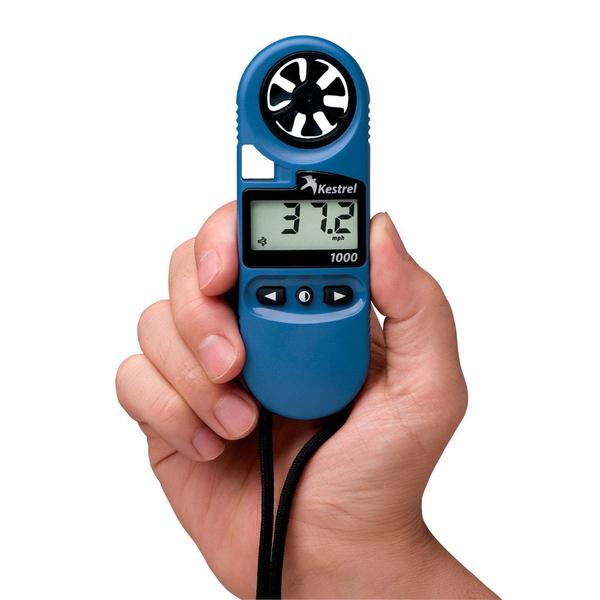
Compact Handheld Anemometer – K1000
SKU: K1000 -
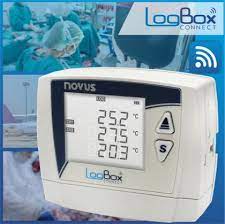
Data logger Wi-Fi – LogBox
SKU: Data logger Wi-Fi LogBox Wi-Fi -
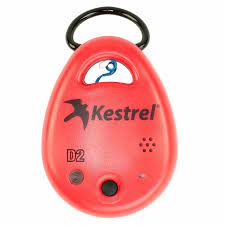
Environmental data logger – D2
SKU: D2 -
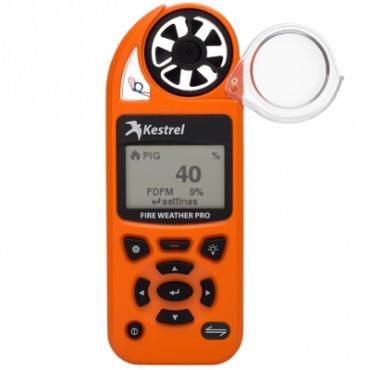
Fire Weather Meter Pro – K5500FW
SKU: K5500FW -
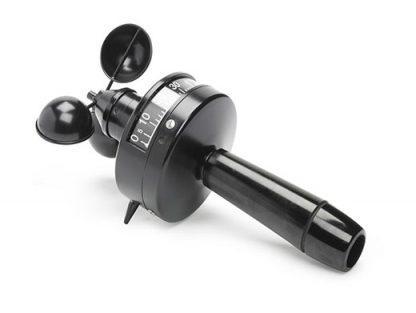
Handheld Anemometer – IM159
SKU: IM159 -
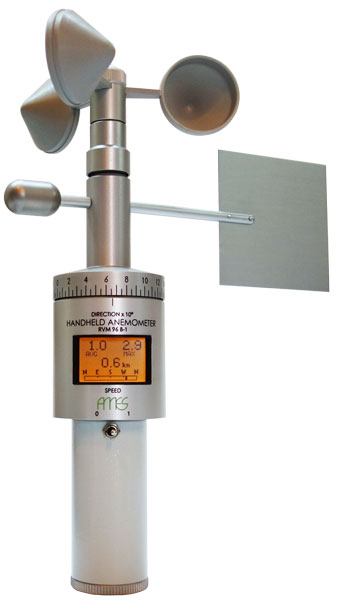
Handheld Wind Meter – RVM96B-1
SKU: RVM96B-1 -
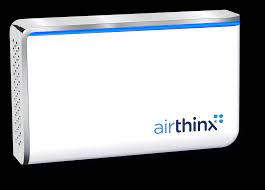
Indoor Air Quality Monitoring – airthinx IAQ
SKU: airthinx IAQ -
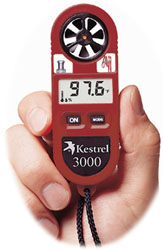
Pocket Weather Instrument – K3000
SKU: K3000 -
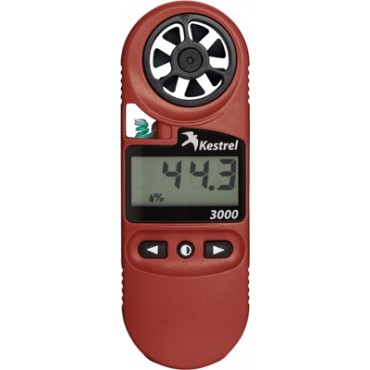
Pocket Weather Instrument – Kestrel 3000
SKU: Kestrel 3000 -
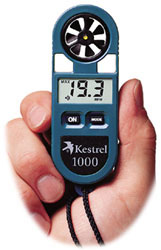
Pocket Wind Meter – K1000
SKU: K1000
Safety equipment based on meteorological and environmental measurements makes it possible to identify hazardous conditions, assess risks and make operational decisions based on real-time data. Professional measurement of wind speed, temperature, humidity, heat stress and air quality can help protect workers, manage field operations and prevent incidents that may result from extreme or changing environmental conditions.
At work sites, industrial facilities, construction sites, firefighting zones, warehouses, public buildings and outdoor activities, environmental conditions are not just a meteorological statistic. They are a factor with a direct impact on worker safety, on the integrity of processes and on the ability to carry out tasks responsibly.
Meteo-Tech supplies a range of measuring instruments and monitoring solutions for safety applications, including handheld anemometers, portable weather meters, heat stress meters, professional equipment for fire and rescue services, air quality monitoring systems and environmental data loggers.
What Is Safety Measurement Equipment?
Safety measurement equipment includes instruments designed to measure environmental variables that may affect human health, occupational safety or the performance of professional activities. The purpose of the equipment is to provide reliable, up-to-date information on site conditions and to enable the safety officer, site manager or operator to make an informed decision.
The equipment can be used for spot measurements with a handheld instrument or for continuous monitoring with sensors and data loggers. Depending on the instrument and the application, it is possible to measure:
- Wind speed
- Wind gusts
- Air temperature
- Relative humidity
- Dew point
- Heat stress
- Wind chill index
- Barometric pressure
- Wet bulb temperature
- Fire weather conditions
- Indoor air quality
- Environmental changes over time
These measurements do not replace safety procedures, risk assessments or personal protective equipment, but they provide an essential layer of information that allows procedures to be applied according to actual conditions.
Why Do Weather Conditions Affect Safety?
Weather conditions affect a wide range of activities. Strong wind can endanger work at height, load lifting, crane operation and the use of lightweight equipment. High temperature and humidity can cause heat stress, impaired concentration and dehydration. Cold conditions and strong winds can increase the risk of cold stress and impaired functioning.
Rapid changes in the weather can also create risk. A sudden wind gust, a sharp rise in temperature or a change in humidity conditions may affect an activity that was planned for different conditions.
When the measurement is taken at the site itself, a more accurate picture can be obtained than from a regional forecast alone. A weather forecast provides important information about the area, but it does not always reflect local conditions at crane height, inside a plant, on a roof, near a tall building or in an open area affected by topography.
Handheld Anemometers for Safety
A handheld anemometer is a compact instrument that measures wind speed at the point where the activity is taking place. It is suitable for quick checks before work begins, for periodic checks during the day and for use at sites without a permanent weather station.
Handheld anemometers may be used by:
- Site managers
- Safety officers
- Crane operators
- Infrastructure workers
- Maintenance teams
- Fire and rescue teams
- Port workers
- Sports and outdoor activity professionals
- Military teams
- Operators of outdoor facilities
Local measurement makes it possible to check whether the wind speed is within the permitted range for a given activity. Where work procedures include threshold values, the anemometer helps compare actual conditions with the defined requirements.
Using an Anemometer for Work at Height
Work at height is particularly sensitive to wind speed and wind gusts. As height increases, wind conditions can differ from those measured at ground level. Buildings, roofs and nearby structures may create turbulence or increase the flow velocity in a particular area.
A handheld anemometer can be used for a local check before ascending and during the activity. When conditions change, work can be stopped, reassessed or postponed until conditions return to a safe working range.
Common applications include:
- Roof work
- Solar system installation
- High-rise window cleaning
- Antenna maintenance
- Electrical work
- Sign installation
- Scaffolding work
- Building maintenance
- Mast work
- Tree trimming
It is important to take the measurement at a location representative of the conditions to which the worker or equipment will be exposed, and not only in a sheltered area near the ground.
Wind Measurement for Crane Operation
Wind is one of the main factors affecting the safety of load lifting. The surface area of the load, its weight, the boom length, the lifting height and gust movement can all affect the stability of the load and the ability to control it.
Wind measurement provides the operator and site manager with information on local conditions before and during lifting. On permanent projects, a wind sensor can be installed at the top of the crane or at a high point and connected to an alarm system. In other cases, a handheld anemometer can be used for spot checks.
Always act in accordance with the crane manufacturer's instructions, site procedures and the established threshold values. Professional measurement provides supporting information, but the operational decision must be based on all safety requirements.
Handheld Weather Meters
A handheld weather meter combines several measurements in a single instrument. In addition to wind speed, these instruments can measure temperature, humidity, barometric pressure and calculated indices related to heat stress and perceived cold.
The advantage of a combined instrument is the ability to obtain a broad picture of environmental conditions without the need for several separate instruments. The operator can carry the instrument between different points, take a quick measurement and record the result.
Handheld weather meters are particularly suitable for mobile activities, temporary projects and locations where conditions need to be checked in several areas during the working day.
Measuring Heat Stress in the Workplace
Heat stress is a condition in which the body has difficulty dissipating the heat generated within it and absorbed from its surroundings. The risk is influenced by air temperature, humidity, solar radiation, air movement, type of clothing and level of physical exertion.
A worker performing physical activity in hot conditions may suffer from reduced concentration, fatigue, dehydration, dizziness, heat exhaustion and, in more severe cases, serious heat injury.
Environmental measurement makes it possible to assess conditions and determine appropriate actions, such as:
- Increasing the frequency of breaks
- Moving to a shaded area
- Limiting the duration of activity
- Changing working hours
- Providing drinking water
- Adjusting the work pace
- Rotating workers
- Using cooling measures
- Monitoring at-risk workers
- Stopping activity in extreme conditions
Measurement data should be interpreted in accordance with the risk assessment method and the procedures relevant to the organization and the type of work.
What Is the Difference Between Temperature and Heat Stress?
Air temperature alone is not always sufficient to assess the level of risk. On a humid day, the body has difficulty cooling itself through the evaporation of sweat, so the perceived heat and the physiological load can be higher than the temperature alone would suggest.
Direct solar radiation, physical activity and protective clothing can also increase the load. Therefore, in many cases it is necessary to consider a combination of several variables rather than a single temperature value.
An instrument that measures temperature, humidity and wind can provide calculated indices that help in understanding exposure conditions. In professional work or regulated safety processes, the instrument and heat index should be selected according to the required method.
Measuring Cold Conditions and Wind Chill
Work in cold conditions also requires risk assessment. Low temperature combined with wind can accelerate heat loss from the body. The wind chill index describes the combined effect of air temperature and wind speed on perceived cold.
The risk exists in outdoor work during winter, in mountainous areas, at outdoor facilities, at infrastructure sites and in activities carried out at night or in the early morning.
Local measurement helps determine whether appropriate clothing, warm-up breaks, reduced exposure time or a change in activity planning are needed.
Meteorological Equipment for Firefighting
Fire and rescue teams need accurate information on weather conditions, especially during wildfires in open areas. Wind speed and direction, temperature and humidity affect the rate of fire spread, its intensity and the direction of smoke movement.
A dedicated fire weather meter makes it possible to measure conditions close to the area of operations. The information can help teams assess fire behavior, define hazard zones and plan access and escape routes.
Relevant variables include:
- Wind speed
- Wind direction
- Wind gusts
- Air temperature
- Relative humidity
- Dew point
- Fire weather indices
- Changes over time
It is important to remember that wind conditions in the vicinity of a fire may be affected by heat and topography and can change rapidly. Measurements should therefore be repeated rather than relying on a single reading.
Indoor Air Quality Monitoring
Indoor air quality affects workers' health, concentration and comfort. Pollutants can accumulate in enclosed buildings as a result of insufficient ventilation, high occupancy, industrial activity, building materials, cleaning agents or air conditioning systems that are not functioning properly.
An air quality monitoring system can track environmental parameters and help identify anomalies or trends. Depending on the system, it is possible to monitor temperature, humidity, carbon dioxide, particulate matter and other compounds.
Common applications include:
- Offices
- Schools
- Classrooms
- Factories
- Warehouses
- Laboratories
- Hospitals
- Public buildings
- Halls
- Shopping centers
Continuous monitoring makes it possible to identify when air quality deteriorates and to examine whether the problem is related to occupancy hours, ventilation, a specific activity or a fault in the building's systems.
The Importance of Monitoring Carbon Dioxide in Buildings
The carbon dioxide concentration inside a building can serve as an indicator of the ventilation level relative to the number of people in the space. An increase in concentration may indicate that the air exchange rate is not appropriate for the occupancy load.
A monitoring system can display real-time data, trigger an alarm or transfer information to a building management system. Using the data, ventilation operation can be adjusted, windows opened, occupancy density changed or the proper functioning of air conditioning systems checked.
The measurement should be interpreted as part of a broader picture of air quality and not as a single indicator for all types of pollutants.