Particle Counters
-

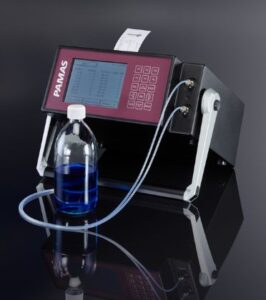
Particle Counter – S4031 GO
SKU: S4031 GO -
Catalog 2019 – Quick Reference Catalog
SKU: Quick Reference Catalog -
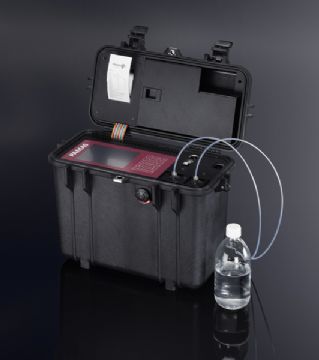
On-line Particle Counters S4031 GO
SKU: PAMAS S4031 GO -
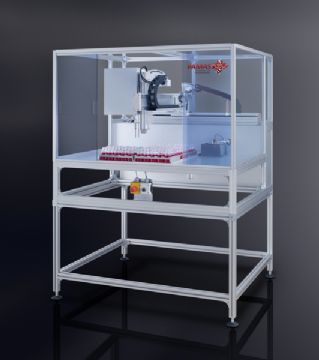
Particle Counters – AS3
SKU: AS3 -
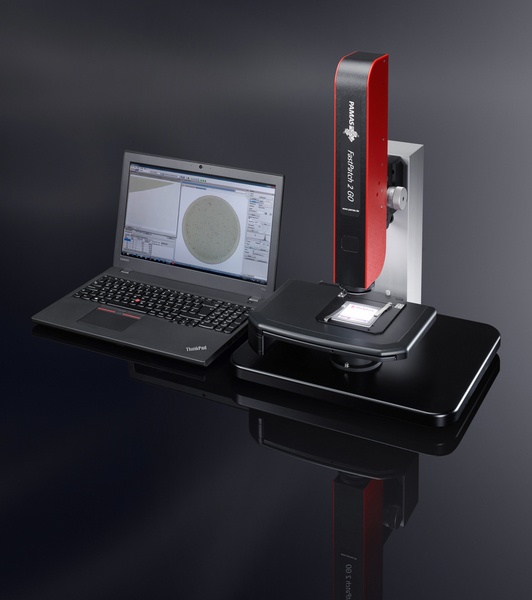
Particle Counters – FastPatch 2 GO
SKU: FastPatch 2 GO -
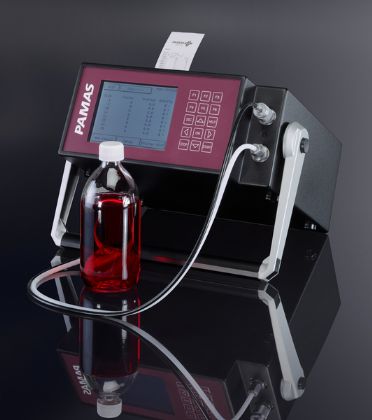
Particle Counters S40
SKU: PAMAS-S40 -
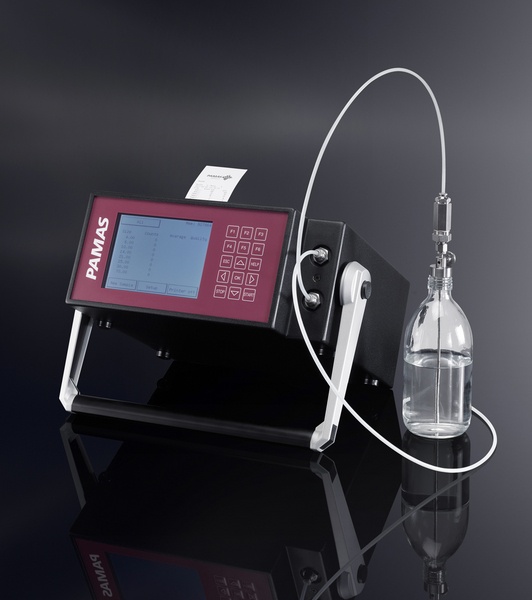
Particle Counters S40 AVTUR
SKU: S40 AVTUR -
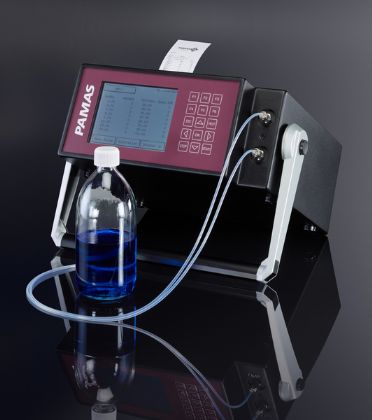
Particle Counters S4031 WG
SKU: PAMAS S4031 WG -
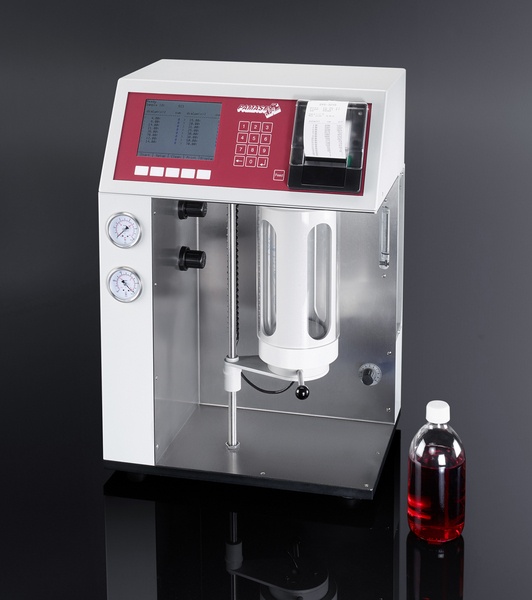
Particle Counters SBSS
SKU: SBSS – Laboratory particle counter for liquids -
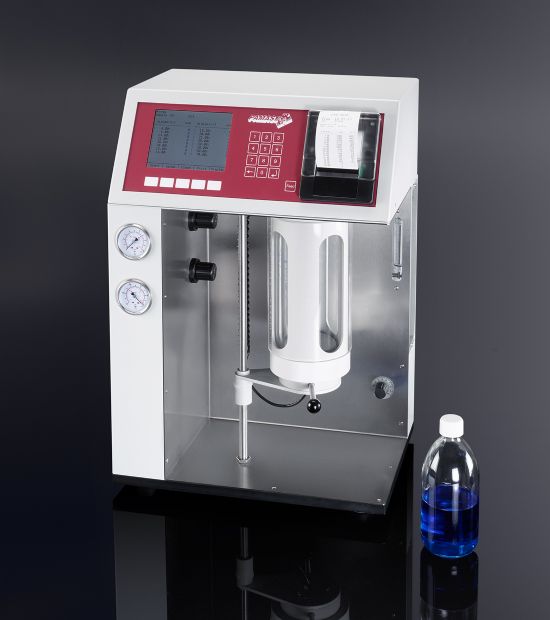
Particle Counters SBSS WG
SKU: PAMAS SBSS WG -
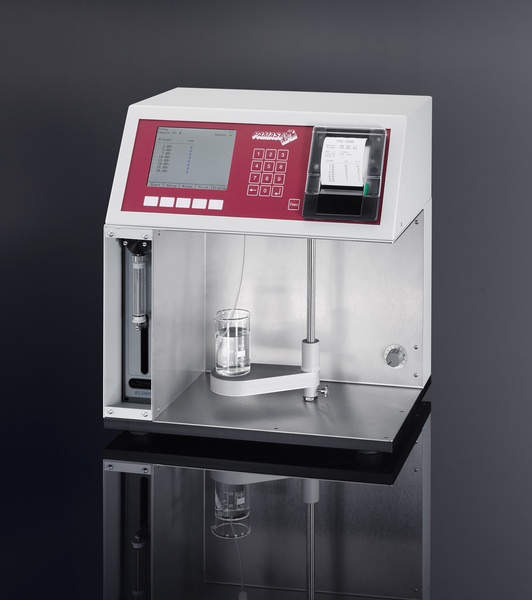
Particle Counters SVSS
SKU: PAMAS SVSS - Small Volume Syringe System -

Particles Counters – Applications
SKU: Particles Counters - Applications
Liquid Particle Counters
A liquid particle counter is a measuring instrument used to detect, count and classify solid particles present in liquids. Measuring the level of particulate contamination makes it possible to assess the cleanliness of the liquid, detect wear or contamination in the system, and perform precise quality control of oils, hydraulic fluids, fuels and other industrial fluids.
Liquid particle counters are widely used in laboratories, industry, hydraulic systems, the aviation industry, machinery maintenance, the energy sector and in systems where fluid cleanliness directly affects equipment reliability and the service life of mechanical components.
What Is a Liquid Particle Counter?
A liquid particle counter, or Liquid Particle Counter, measures the number of particles present in a defined volume of liquid and classifies them according to their size. This provides a quantitative picture of the contamination level and makes it possible to detect even tiny particles that are invisible to the eye.
In sensitive systems, even particles a few microns in size can cause wear, blockages, valve damage, reduced pump performance and damage to precision components. Particle counting is therefore a key tool in preventive maintenance and fluid cleanliness control.
Why Is Particle Counting in Liquids Important?
The level of particulate contamination in a fluid can directly affect system performance. Through particle testing of oil or hydraulic fluid, changes can be identified before a significant failure occurs.
The measurement makes it possible to:
- Assess the cleanliness level of the fluid
- Detect ingress of dirt or contaminants into the system
- Monitor wear of mechanical components
- Check the efficiency of filtration systems
- Compare samples over time
- Carry out data-driven preventive maintenance
- Check the quality of new fluid before it is introduced into the system
- Detect abnormal changes in the operation of the machine or system
Particle Counting in Hydraulic Oils
One of the main uses of a particle counter is testing oils and hydraulic fluids. Hydraulic systems include pumps, valves, pistons and components with very small clearances, which makes them particularly sensitive to particulate contamination.
Particles present in the oil can cause accelerated wear, reduced efficiency, blockages and recurring faults. Periodic measurement of the contamination level makes it possible to monitor the condition of the fluid and identify problems related to filtration, sealing or internal wear.
Particle Counters for Oils, Fuels and Industrial Fluids
Particle counters can be used to test a wide range of fluids, depending on the measurement technology and the characteristics of the instrument.
Common applications include:
- Hydraulic oils
- Lubricating oils
- Engine oils
- Gear oils
- Fuels
- Fluids for the aviation industry
- Coolants
- Industrial fluids
- Fluids in production systems
- Fluids used in cleaning and filtration processes
How Does a Liquid Particle Counter Work?
Many particle counters use an optical principle. The liquid passes through a measurement zone in which a light beam or other optical source illuminates the sample. When a particle passes through the measurement zone, it causes a change in the light reaching the detector.
The instrument analyzes the change and calculates the particle size and the number of particles that passed through the measurement cell. The results are usually divided into different size ranges in microns, providing a detailed profile of the contamination level in the liquid.
Measuring Fluid Cleanliness According to Standards
In industry, the contamination level of fluids is commonly expressed using cleanliness codes and particle counting standards. In hydraulic systems and oils, classifications such as ISO 4406 are used, among others, depending on the type of system and the test method.
Rating the cleanliness level makes it possible to compare samples, define target values and track changes in the number of particles over time. This makes it possible to check whether the fluid meets the manufacturer's requirements or the system's maintenance requirements.
The Particle Counter as a Preventive Maintenance Tool
Particle counting is not used only to check fluid quality. It can also provide important information about the condition of the machine itself.
An increase in the number of particles may indicate:
- Internal wear
- Filter failure
- Ingress of dirt into the system
- Contamination during oil filling or oil changes
- Component wear
- A seal problem
- Inadequate system maintenance
Tracking trends over time makes it possible to detect changes before a serious failure develops, and to move from scheduled maintenance to condition-based maintenance.
How to Choose a Liquid Particle Counter?
Choosing a particle counter for oil or fluid should be based on the type of application and the characteristics of the sample.
Among other things, it is important to consider:
- The type of fluid being tested
- The particle size range
- The expected particle concentration
- Fluid viscosity
- The number of measurement channels
- Accuracy and repeatability
- The required measurement standards
- Laboratory or field measurement
- The option of direct connection to the system
- Software for data storage and report generation
There are benchtop particle counters intended for laboratory testing, portable instruments for field testing, and systems that enable monitoring directly in-line or within the hydraulic system.
Professional Particle Counters for Quality Control and Fluid Cleanliness
In Meteo-Tech's Liquid Particle Counters category you will find solutions for measuring and controlling particulate contamination in oils, fuels and industrial fluids.
The particle counters are designed for applications that require accurate assessment of fluid cleanliness, monitoring of system condition, testing of filtration efficiency and quality control. The right instrument is selected according to the type of fluid, the particle range, the test method and the standards required for the application.