
Tensiometer
-
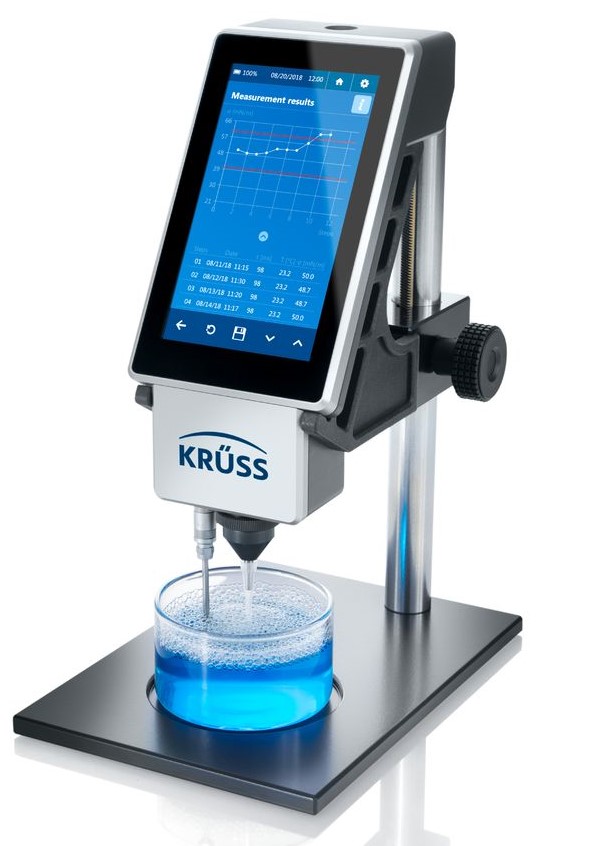
Bubble Pressure Tensiometer – BPT Mobile
SKU: BPT Mobile -
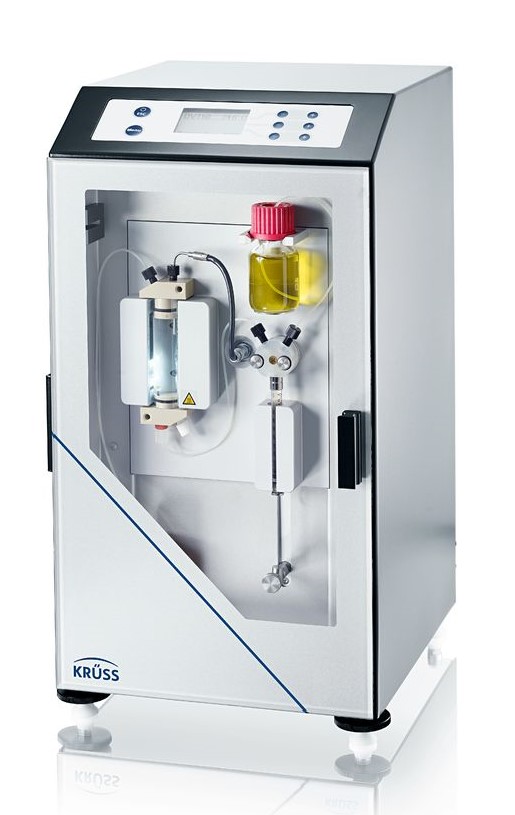
Drop Volume Tensiometer – DVT50
SKU: DVT50 -
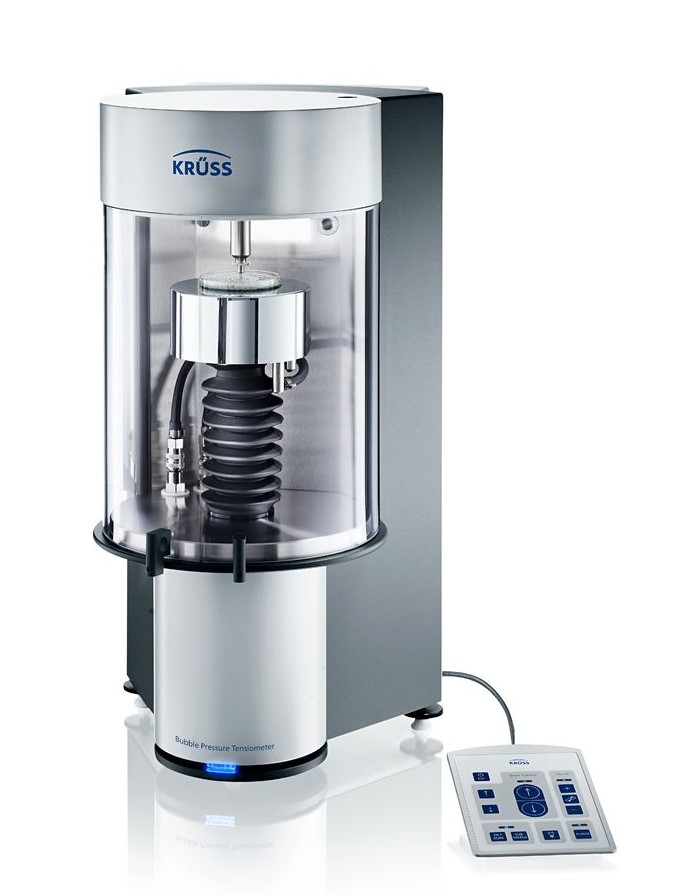
Dynamic Surface Tension BP100
SKU: BP100 -

Product Overview – Product Overview
SKU: Product Overview -
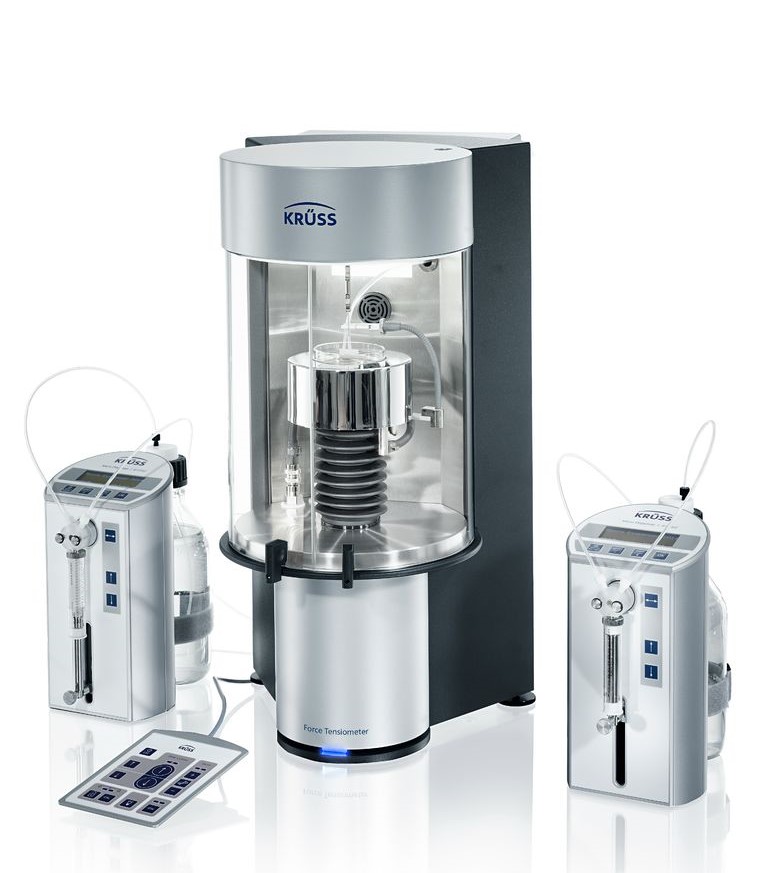
Surface Tension K100
SKU: K100 -
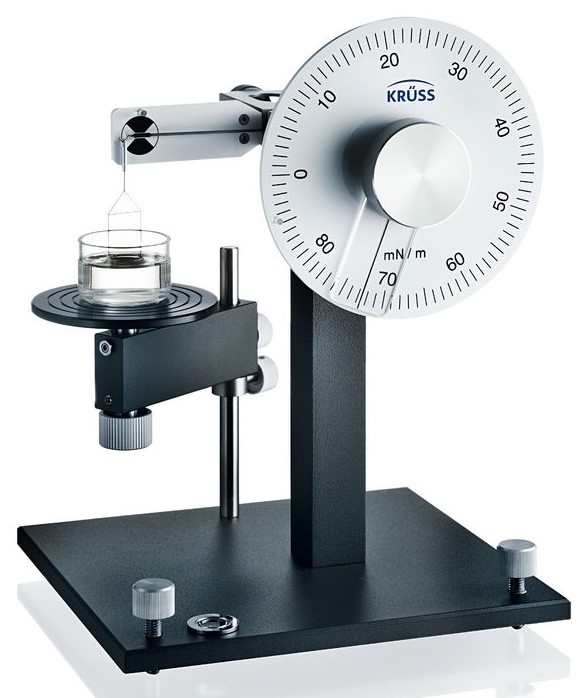
Surface Tension K6
SKU: K6 -
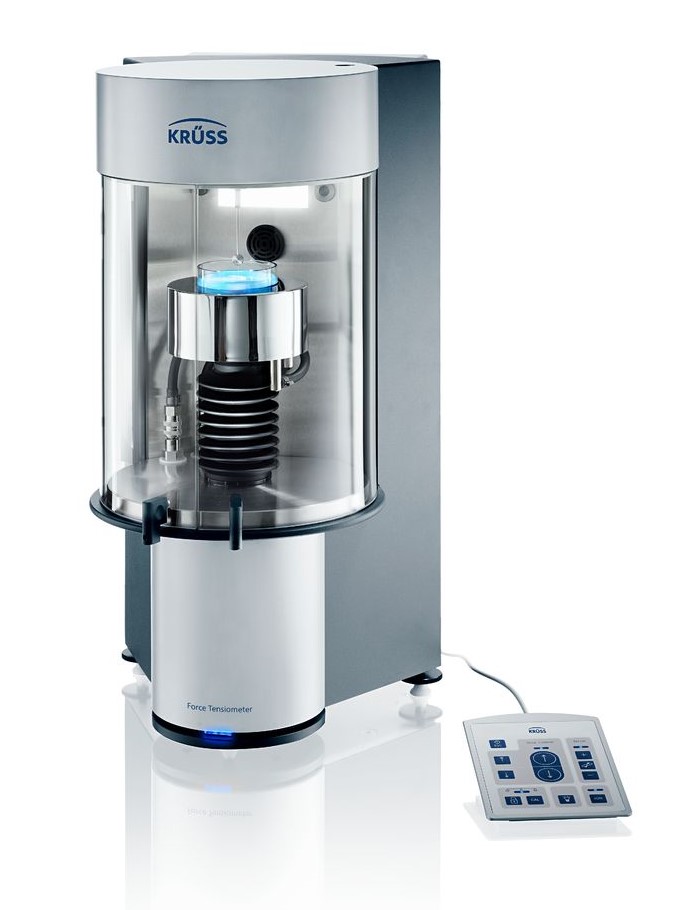
Surface Tension with Autoloader K100SF
SKU: K100SF -
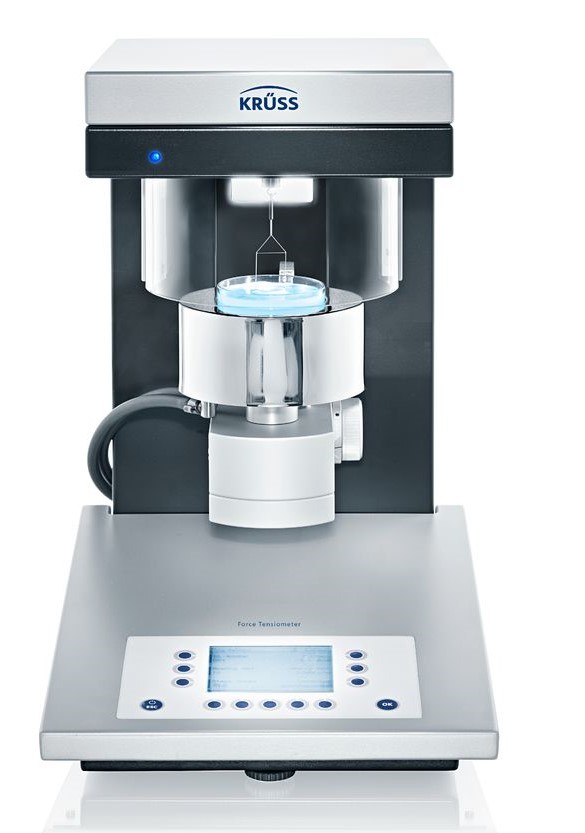
Surface Tension- K20
SKU: K20 -
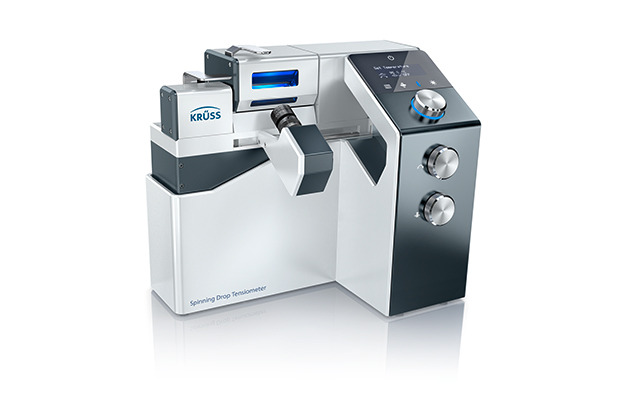
Ultra -low Interfacial tension – SDT
SKU: SDT
Surface tension measurement is a key test in liquid characterization, formulation development, quality control and the study of interactions between materials. A surface tension meter, also known as a tensiometer, measures the forces acting at the surface of a liquid, tests the effect of surfactants and helps evaluate how a liquid behaves in processes such as wetting, cleaning, coating, dispersion, foaming, printing and emulsification.
In this category you will find surface tension meters and tensiometers at a range of levels, from basic systems for teaching and routine testing, through precision instruments for research and quality control laboratories, to advanced systems for measuring dynamic surface tension, ultra-low interfacial tension and surfactant adsorption.
The instruments are suitable for a wide range of fields, including the chemical, pharmaceutical, cosmetics, food and beverage industries, as well as paints, inks, adhesives, detergents, polymers, oils, fuels, biotechnology and materials science.
What Is Surface Tension?
Surface tension is a physical property that arises from the attractive forces acting between the molecules of a liquid. Molecules within the bulk of the liquid are surrounded by other molecules in every direction, so the forces acting on them are relatively balanced. Molecules at the surface of the liquid, by contrast, are not surrounded equally on all sides, which creates a net force pulling them inward.
As a result, the surface of a liquid tends to minimize its area. This phenomenon explains why liquid droplets tend to become round, why some liquids spread quickly over a surface while others remain as droplets, and why adding a surfactant can significantly change the behavior of a solution.
Surface tension is usually measured in millinewtons per meter, mN/m. The value depends on the composition of the liquid, the temperature, the concentration of dissolved substances, the measurement time and the presence of surfactants.
What Is a Tensiometer?
A tensiometer is an instrument for measuring the surface tension of a liquid or the interfacial tension between two immiscible liquids. Depending on the model and measurement method, a tensiometer can perform tests using a ring, a plate, bubble pressure, a spinning drop or other methods.
Advanced systems can measure not only a single surface tension value but also track its change over time, evaluate the adsorption rate of surfactants, determine the critical micelle concentration and analyze the stability of a formulation.
A tensiometer provides a quantitative, objective result and makes it possible to compare raw materials, formulations, production batches and different process conditions.
Why Is It Important to Measure Surface Tension?
Surface tension directly affects how a liquid behaves in contact with surfaces, gases and other liquids. A small change in surface tension can affect cleaning performance, wetting quality, emulsion stability, bubble size, coating uniformity and the ability of an ink or paint to spread over a surface.
Surface tension measurement is especially important for:
- Developing cleaning agents and detergents.
- Testing surfactant effectiveness.
- Quality control of shampoos, soaps and cosmetic products.
- Developing paints, inks and coatings.
- Evaluating the wetting ability of solutions.
- Testing liquids in the food and beverage industry.
- Developing pharmaceutical formulations.
- Research on emulsions, foams and dispersions.
- Characterizing oils, fuels and chemicals.
- Checking the cleanliness of industrial baths.
- Determining surfactant concentration.
- Comparing raw materials and suppliers.
When surface tension is outside the required range, the process may suffer from non-uniformity, poor wetting, bubble formation, phase separation, coating failure or reduced cleaning performance.
What Is Interfacial Tension?
Interfacial tension is the force that exists at the interface between two immiscible liquids, for example water and oil. Like surface tension, interfacial tension affects droplet size, emulsion stability, the rate of separation between the liquids and the effectiveness of surfactants.
Interfacial tension measurement is important in processes involving two liquid phases, including:
- Emulsion production.
- Cosmetic products.
- Pharmaceutical formulations.
- The oil and fuel industry.
- Pesticides.
- Food products.
- Extraction processes.
- Oil–water separation.
- Microemulsion research.
- Surfactant development.
The lower the interfacial tension, the easier it generally is to create small droplets and disperse one liquid within another. However, the stability of the system also depends on other factors such as viscosity, density, particle size, temperature and chemical composition.
The Difference Between Surface Tension and Interfacial Tension
Surface tension refers to the interface between a liquid and a gas, usually air. Interfacial tension refers to the interface between two immiscible liquids.
For example:
- Measuring a cleaning solution exposed to air is a surface tension measurement.
- Measuring the interface between oil and water is an interfacial tension measurement.
- Testing a surfactant in an aqueous solution may involve both types of measurement.
- Developing an emulsion may mainly require interfacial tension measurement.
The measurement method and instrument should be selected according to the type of interface, the expected range of values and the purpose of the test.
Surface Tension Measurement Methods
There are several established methods for measuring surface tension. Each method suits different types of liquids, measurement ranges and applications.
Surface Tension Measurement Using the Du Noüy Ring Method
The ring method uses a thin ring, usually made of platinum, which is immersed in the liquid and then pulled upward. The instrument measures the force required to detach the ring from the liquid surface and calculates the surface tension from that force.
The ring method is common in teaching, quality control and research laboratories. It is suitable for measuring a wide range of liquids and can also be used to measure interfacial tension.
Advantages of the method include:
- A well-known, widely used method.
- Suitable for a wide range of liquids.
- Can measure both surface tension and interfacial tension.
- A clear, easy-to-understand measurement process.
- Suitable for comparative testing and quality control.
To obtain accurate results, the ring must be kept completely clean, contamination of the liquid must be prevented and the temperature must be controlled.
Surface Tension Measurement Using the Wilhelmy Plate Method
In the Wilhelmy plate method, a thin plate is immersed in the liquid. The force generated by the wetting of the plate is measured with a sensitive weighing system, and the surface tension is calculated from it.
This method is suitable for precise measurements and for tracking changes in surface tension over time. It is widely used in research on surfactants, polymers, solutions and adsorption processes.
Potential advantages of the method:
- Continuous measurement over time.
- Suitable for studying dynamic adsorption.
- High sensitivity.
- Measurements can be performed at controlled temperatures.
- Suitable for studying surfactant solutions.
The measurement result depends on complete and uniform wetting of the plate, so the choice of plate material and its cleanliness are important.
Dynamic Surface Tension Measurement Using the Bubble Pressure Method
The bubble pressure method is suitable for measuring dynamic surface tension. The instrument generates gas bubbles in the liquid through a capillary and measures the maximum pressure required to form each bubble.
By varying the bubble formation rate, surface tension can be measured at different surface ages. This makes it possible to evaluate how quickly surfactants migrate to the liquid surface and reduce surface tension.
The method is particularly suitable for fast processes such as:
- Spraying.
- Printing.
- High-speed coating.
- Foam generation.
- Industrial rinsing.
- Mixing.
- Liquid dosing.
- Continuous-motion processing.
In systems where new surfaces form rapidly, measuring static surface tension alone is not always sufficient. A surfactant may reduce surface tension after a few seconds yet fail to act in time in a process that lasts only milliseconds.
Interfacial Tension Measurement Using the Spinning Drop Method
The Spinning Drop method is used to measure low and ultra-low interfacial tension. In this method, a drop of one liquid is injected into another liquid held in a rotating horizontal tube.
The rotation causes the drop to elongate. By measuring the drop shape, the rotation speed and the density difference between the liquids, the interfacial tension can be calculated.
The method is suitable for applications where the values are too low to be measured accurately with conventional methods, for example:
- Microemulsion research.
- Development of high-efficiency surfactants.
- The oil industry.
- Enhanced oil recovery processes.
- Research on oil–water systems.
- Formulations with ultra-low interfacial tension.
- Characterization of advanced emulsions.
Static Versus Dynamic Surface Tension
Static surface tension is the value measured after the system has reached equilibrium. Dynamic surface tension is measured a short time after a new surface has been created.
In a pure liquid, the difference between the values may be small. In solutions containing surfactants, the difference can be very significant.
Once a new surface has formed, the surfactant molecules begin to migrate from the bulk liquid to the interface. As more molecules accumulate at the surface, the surface tension decreases. This process may take place within milliseconds, seconds or minutes, depending on the type of substance, its concentration and the measurement conditions.
Dynamic surface tension measurement is important when the process time is short, for example in inkjet printing, paint spraying, rapid rinsing or bubble generation. Static surface tension measurement is better suited to testing a system after it has reached equilibrium.
Surfactants and Adsorption Measurement
Surface-active agents, also known as surfactants, are molecules with a hydrophilic region and a hydrophobic region. This structure allows them to accumulate at interfaces and reduce surface tension or interfacial tension.
They are found in many products and processes:
- Cleaning agents.
- Shampoo and soap.
- Creams and lotions.
- Pharmaceuticals.
- Paints and inks.
- Pesticides.
- Food products.
- Oil–water separation processes.
- Foaming and antifoaming agents.
- Biological processes.
A tensiometer makes it possible to track the change in surface tension over time and evaluate the adsorption rate of the surfactant. This data helps compare substances, determine an effective concentration and assess whether a formulation is suited to a fast or slow process.
Determining the Critical Micelle Concentration
The critical micelle concentration, CMC, is the concentration at which surfactant molecules begin to organize into structures called micelles.
When a surfactant is added to a liquid, the surface tension gradually decreases. Once a certain concentration is reached, adding more surfactant no longer reduces the surface tension to the same extent, because the molecules begin to form micelles within the solution.
Determining the CMC value is important for:
- Optimizing cleaning agents.
- Developing cosmetic formulations.
- Preparing emulsions.
- Developing pharmaceutical preparations.
- Comparing surfactants.
- Determining a cost-effective working concentration.
- Research on molecular interactions.
An automatic tensiometer can perform a series of measurements at different concentrations, build a surface tension versus concentration curve and help identify the transition point.
Surface Tension Meters for the Detergent Industry
In the detergent industry, surface tension affects the ability of a solution to spread, penetrate beneath dirt and wet the surface. Lowering the surface tension allows the liquid to reach small areas, penetrate crevices and improve the removal of grease and dirt.
Surface tension measurement is used for the development and quality control of:
- Industrial cleaning agents.
- Dishwashing liquids.
- Metal cleaners.
- Electronics cleaning fluids.
- Cleaners for optical systems.
- Shampoos and soaps.
- Disinfectants.
- Cleaning baths in manufacturing processes.
A portable tensiometer can also be used to test cleaning and coating baths directly in the work environment, not only in the laboratory. This makes it possible to detect a drop in surfactant concentration, a buildup of contaminants or the need to replace the solution.
Surface Tension Meters for the Paint, Ink and Coatings Industry
Paints, inks and coatings require a match between the surface tension of the liquid and the surface energy of the material to which it is applied.
When the surface tension is too high, the material may not spread evenly. The result can be uncovered areas, coating retraction, droplet formation, visual defects or adhesion failure.
When the surface tension is too low, other problems may arise, such as uncontrolled spreading, unwanted penetration or reduced print quality.
Accurate measurement supports processes such as:
- Digital printing.
- Packaging printing.
- Metal coating.
- Plastic painting.
- Optical coatings.
- Water-repellent coatings.
- Automotive paints.
- Lacquers.
- Paper and textile coating.
In fast processes, it is recommended to examine not only static surface tension but also dynamic surface tension at surface ages that match the actual application speed.
Surface Tension Meters in the Cosmetics Industry
Many cosmetic products are complex systems containing water, oils, surfactants, polymers, fragrances and other active ingredients.
Measuring surface tension and interfacial tension supports the development of:
- Creams.
- Lotions.
- Shampoos.
- Liquid soap.
- Facial cleansers.
- Makeup removers.
- Hair care products.
- Sunscreens.
- Bi-phase products.
Measurement can help in selecting an emulsifier, comparing formulations, evaluating spreadability and understanding the stability of the interface between the aqueous phase and the oil phase.
Surface Tension Meters in the Pharmaceutical and Biotechnology Industries
In pharmaceutical systems, surface tension can affect the dispersion of active ingredients, emulsion stability, foam formation, droplet behavior and the wettability of powders and surfaces.
Possible applications include:
- Liquid formulations.
- Pharmaceutical emulsions.
- Topical preparations.
- Protein solutions.
- Carrier systems.
- Tablet coating processes.
- Biotechnological processes.
- Cleaning solutions for production equipment.
- Development of biologically active substances.
In systems containing proteins, it is also important to track changes in surface tension over time, because proteins may adsorb at the interface and affect the stability of the formulation.
Surface Tension Meters in the Food and Beverage Industry
Surface tension and interfacial tension affect many processes in the food industry, especially in products containing water, oils, proteins and emulsifiers.
A tensiometer can be used for:
- Beverage development.
- Testing food emulsions.
- Developing sauces and dressings.
- Testing dairy products.
- Characterizing oils and fats.
- Testing additives and emulsifiers.
- Analyzing foam stability.
- Research on carbonated beverages.
- Developing bakery products.
- Quality control of raw materials.
The measurement provides information that complements measurements such as viscosity, density, droplet size and emulsion stability.
Surface Tension Meters for the Oil, Lubricants and Fuel Industry
In the oil and petrochemical industry, interfacial tension is an important parameter in oil–water separation, additive development and understanding the processes that take place in oil reservoirs.
Common measurements include:
- Interfacial tension between oil and water.
- Testing the effect of surfactants.
- Developing fuel additives.
- Research on crude oil emulsions.
- Testing lubricating oils.
- Developing separation processes.
- Enhanced oil recovery research.
- Measuring ultra-low interfacial tension.
When ultra-low values must be measured, a spinning drop tensiometer is used.
Quality Control with a Tensiometer
A tensiometer can serve as a permanent tool in the quality control laboratory. Instead of relying only on chemical composition or substance concentration, it is possible to test the functional property of the liquid and how it is expected to behave in the process.
By defining acceptance ranges, it is possible to detect:
- A change in formulation composition.
- A drop in surfactant concentration.
- Contamination of a solution.
- Incomplete mixing.
- A change in raw materials.
- Aging of a process bath.
- Deviation between production batches.
- The effect of temperature or storage.
- Ingress of oil or contaminants into a cleaning system.
- Reduced performance of a coating material.
Storing the data in software enables trend tracking, report generation and comparison of results over time.
Factors Affecting Surface Tension Measurement
To obtain reliable results, consistent measurement conditions must be maintained. Surface tension is sensitive to several factors:
Temperature
An increase in temperature usually causes a decrease in surface tension. It is therefore important to measure at a constant temperature and to record it.
Cleanliness of the measuring equipment
Residues of oil, detergent or surfactant can significantly alter the result. Rings, plates, sample vessels and capillaries must be cleaned thoroughly.
Measurement time
In solutions containing surfactants, the result changes over time. It is important to define a fixed measurement time or to perform a dynamic measurement.
Solution concentration
A small change in surfactant concentration can affect surface tension, especially at concentrations below the CMC.
Evaporation
In volatile liquids, evaporation can change the composition and temperature of the sample. A closed cell or a rapid measurement is sometimes required.
Environmental contamination
Dust, grease from hands and contamination from sample vessels can alter the liquid surface. Work with clean equipment in a controlled environment.
Density
In some measurement methods, particularly interfacial tension measurement, the density of the liquids must be known for an accurate calculation.
How to Choose a Surface Tension Meter?
The choice of tensiometer should be based on the type of liquids, the measurement range, the required accuracy and the intended use.
Required measurement type
Define whether you need to measure static surface tension, dynamic surface tension, interfacial tension or ultra-low interfacial tension.
Process type
For a fast process such as printing or spraying, choose a system capable of measuring dynamic surface tension. For testing emulsions or oil–water systems, choose a system suitable for interfacial tension measurement.
Measurement range
Standard systems are suitable for most liquids, but systems with very low values may require a Spinning Drop tensiometer.
Level of automation
For occasional testing, a manual or semi-automatic system can be chosen. Laboratories performing a large number of tests should choose an automatic system with a sampler, cleaning, temperature control and analysis software.
Sample volume
When the sample material is expensive or limited, check the minimum liquid volume required for each measurement.
Temperature control
For research applications and precise comparative testing, it is advisable to use a system with temperature control capability.
Software and documentation
It is recommended to choose a system that allows saving methods, automatic analysis, statistical calculations, report generation and data export.
Laboratory or field use
For testing cleaning and coating baths on a production line, a portable tensiometer can be chosen. Advanced research usually requires a laboratory system with high sensitivity and extensive analysis capabilities.