
Precipitation
-
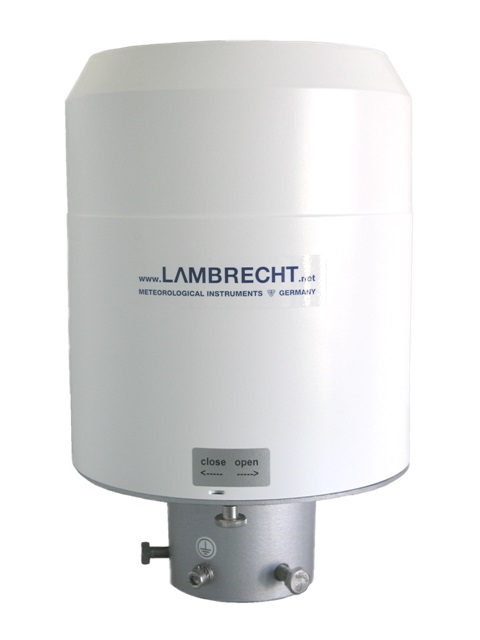
Double gravimetric precipitation sensor – DGN
SKU: DGN -
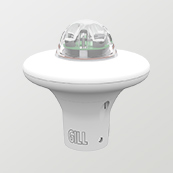
Optical rain gauge – GMX100
SKU: GMX100 -
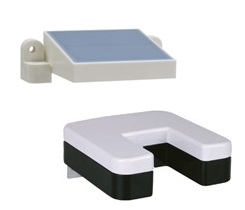
Rain detector – 15153 & 15152.1
SKU: 15153 & 15152.1 -
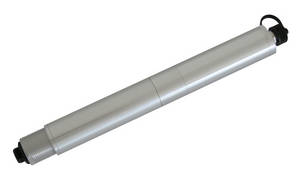
Rain Gauge
SKU: PreLOG -
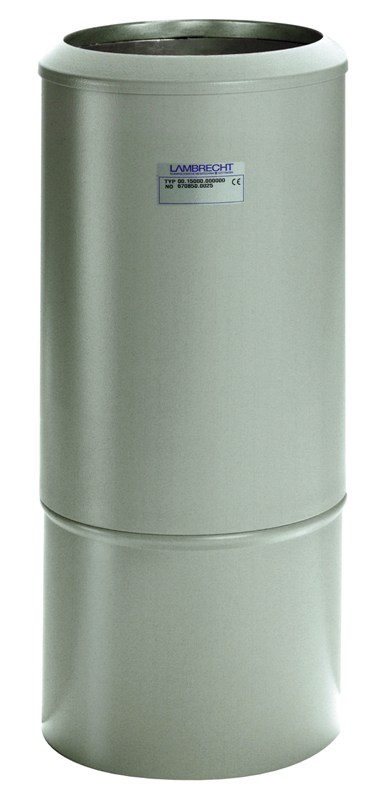
Rain gauge according to hellmann – 1500
SKU: 1500 -
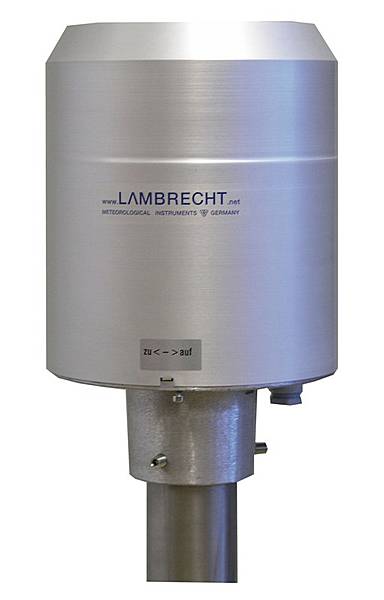
Rain sensor – 15189
SKU: 15189 -
Rain sensor – 52202
SKU: 52202 -
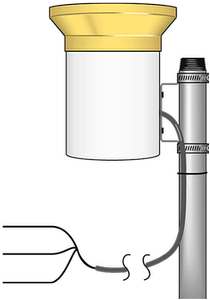
Rain sensor – TE525MM
SKU: TE525MM -
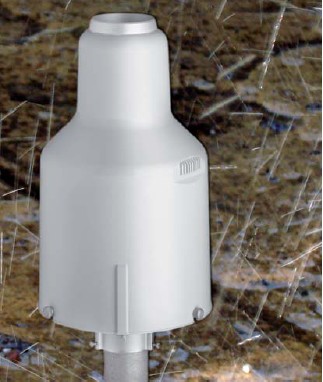
Weighing precipitation gauge – Pluvio2
SKU: Pluvio2 -
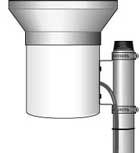
Rain Monitoring Station – MTRN
SKU: MTRN
Professional rain gauges are used to accurately measure the amount of rain and precipitation falling in a given area over a defined period of time. The measurement provides essential information for companies, plants, authorities, research bodies, agricultural organizations, infrastructure companies and operators of environmental systems that need reliable precipitation data for planning, control and decision-making.
Unlike simple rain gauges intended for home use, a professional rain gauge must operate reliably in outdoor conditions, deliver a high level of accuracy and allow integration with data loggers, weather stations, control systems and remote monitoring systems. Choosing the right instrument depends on the type of precipitation being measured, the required resolution, the environmental conditions, the data collection frequency and the way the data is transferred to the organization's system.
Meteo-Tech supplies a wide range of rain gauges and precipitation measurement systems for professional, industrial, agricultural, hydrological and research applications. The range includes manual rain gauges, automatic rain gauges, tipping bucket rain gauges, weighing precipitation gauges, rain detection sensors, optical rain gauges, data loggers and compact systems for continuous monitoring.
What Is a Professional Rain Gauge?
A rain gauge is an instrument designed to collect or detect precipitation and measure the amount that has fallen at the measurement point. In most systems, rainfall is expressed in millimeters, where one millimeter of rain represents one liter of water over an area of one square meter.
In a manual system, rainwater is collected in a measuring vessel and the amount is then measured using a graduated cylinder or graduated scale. In automatic systems, measurement is performed by a mechanical mechanism, a weighing sensor or optical technology. The data is recorded in a data logger or transferred to a weather station, a computer, an industrial controller or a remote monitoring platform.
Professional rain gauges can measure not only accumulated rainfall but also rain intensity, precipitation rate, rain event duration and the distribution of precipitation over time. This data makes it possible to identify extreme events, compare periods, trigger alerts and analyze the impact of precipitation on agricultural, environmental and industrial systems.
Why Is Accurate Rainfall Measurement Important?
Precipitation directly affects water availability, soil conditions, drainage, flooding, agricultural activity, infrastructure, safety and industrial processes carried out in open areas. Relying on general forecast data or a distant measuring station is not always sufficient, because rainfall amounts can vary significantly between neighboring areas.
Installing a rain gauge on site provides local data that represents actual field conditions. Local measurement can support irrigation planning, water reservoir management, drainage system operation, flood risk assessment, documentation of environmental conditions and control of weather-dependent activities.
For companies and industries, precipitation data can also serve as part of a risk management system. For example, a significant rain event may affect construction sites, quarries, mines, transportation systems, solar installations, water reservoirs, wastewater treatment plants and sites at risk of erosion or water accumulation.
Main Types of Rain Gauges
Manual Rain Gauge
A manual rain gauge is a simple and reliable solution for measuring accumulated rainfall. The instrument collects rainwater, and the user takes the reading at the desired time using a suitable measuring tool.
Manual rain gauges are suitable for organizations that carry out periodic checks and do not need continuous data transmission. They can be used at basic measuring stations, in agricultural fields, at educational sites, in short-term studies and as a backup to an automatic system.
The main advantage of manual measurement is a simple design that requires neither a power supply nor a communication system. However, the measurement depends on physically visiting the instrument, reading it correctly and emptying the collection vessel after each measurement.
Tipping Bucket Rain Gauge
The tipping bucket rain gauge is one of the most common types of automatic rain gauge. Rainwater enters through the collection opening and is directed to a mechanism with two small buckets. When one bucket fills with a defined amount of water, it tips over, empties the water and generates an electrical signal.
Each tip represents a defined amount of precipitation. Counting the tips makes it possible to calculate accumulated rainfall and the rainfall rate over the course of the event.
Rain gauges of this type are suitable for connection to data loggers, weather stations and control systems. They are common in agriculture, water management, meteorological research, warning systems and industrial sites that require automatic monitoring.
Weighing Precipitation Gauge
A weighing precipitation gauge measures the weight of the precipitation accumulated in the collection vessel. The change in weight is converted into precipitation amount and rate data.
High-quality weighing systems can provide continuous, accurate measurement even when the type of precipitation changes. Depending on the instrument design and installation conditions, they can be used to measure rain, snow, hail and other forms of precipitation.
A weighing precipitation gauge is particularly suitable for professional weather stations, research bodies, hydrological services, climate systems and sites that require accurate measurement of different types of precipitation.
Optical Rain Gauge
An optical rain gauge uses a light beam or optical sensor to detect water droplets and estimate the amount or intensity of rainfall. When droplets pass through the measurement zone, they alter the optical signal, and the system analyzes the change.
One advantage of optical technology is the ability to measure without a traditional mechanical collection mechanism. This can reduce some of the problems caused by clogging, dirt accumulation or mechanical wear.
Optical rain gauges can be suitable for compact stations, transportation systems, industrial facilities, environmental control systems and applications that require rapid detection of rain onset.
Rain Sensor
A rain sensor is designed mainly to detect the presence of rain and not always to provide a full measurement of the accumulated amount. The sensor sends a signal when wetting begins or when raindrops are detected.
Sensors of this type are used to automatically operate various systems, such as closing windows and roofs, stopping irrigation, activating wipers, changing the operating mode of a facility, protecting sensitive equipment and sending an alert to a control system.
When the goal is to know when a rain event started or ended, a rain sensor may be a more suitable solution than a full quantitative rain gauge.
Combined Rainfall Measurement System
Advanced systems may combine two or more measurement methods, for example a tipping bucket mechanism together with an additional measurement based on a different physical principle.
Dual measurement makes it possible to cross-check the data, improve system reliability and identify anomalies or faults. Such a solution is suitable for professional stations, research sites, critical warning systems and applications where data continuity is especially important.
What Data Can a Rain Gauge Provide?
Depending on the type of instrument and the system it is connected to, a variety of data can be obtained:
- Accumulated rainfall in millimeters
- Rain intensity over a defined period
- Precipitation rate
- Rain event start time
- Rain event end time
- Event duration
- Daily, monthly or annual precipitation
- Comparison between multiple stations or areas
- Alerts when a predefined threshold is exceeded
- Wet or dry status detection
- Historical data for trend analysis
When the rain gauge is connected to a data logger, sampling and logging intervals can be set according to the organization's needs. The data can be stored locally or transferred to a central system for display, analysis, reporting and alerting.
Rain Gauges for Agriculture and Irrigation
In agriculture, actual rainfall is one of the most important data points for efficient water management. Local measurement lets the grower know how much water has reached the soil and adjust the irrigation schedule accordingly.
When rain gauge data is combined with soil moisture, temperature, relative humidity, solar radiation and evaporation data, a broader picture of crop condition and the field water balance can be obtained.
Using professional rain gauges in agriculture can help with:
- Reducing unnecessary irrigation after rain events
- Planning irrigation times more precisely
- Tracking precipitation distribution between plots
- Managing orchards, greenhouses and open fields
- Assessing water availability to plants
- Monitoring soil erosion and flooding
- Planning spraying and fertilization
- Recording data for agronomic research
In large agricultural areas, it is sometimes advisable to install several rain gauges, because precipitation is not always uniform across the entire growing area.
Rain Gauges for Industry and Infrastructure Companies
Industrial companies operate facilities, equipment and processes that are affected by weather conditions. Precipitation data can be integrated into control systems and trigger automatic responses based on predefined levels.
Possible uses include:
- Monitoring water accumulation in industrial premises
- Operating drainage pumps
- Flood risk alerts
- Documenting environmental conditions at production sites
- Protecting equipment and raw materials stored outdoors
- Managing activity at mines and quarries
- Control at waste sites and environmental treatment facilities
- Monitoring conditions at energy facilities
- Halting outdoor activity during heavy rain
- Integrating weather data into safety systems
In industrial systems, it is important to check in advance the rain gauge's electrical output type and its compatibility with the existing controller, data logger or communication system.
Precipitation Monitoring for Authorities and Drainage Systems
Local authorities, water utilities and drainage bodies use rainfall data to manage urban infrastructure and prepare for weather events.
Placing rain gauges at multiple points makes it possible to identify areas receiving exceptional amounts of precipitation and to compare different drainage areas. Combined with water levels, flow data and weather forecasts, flood preparedness can be improved.
A precipitation monitoring system can be used for:
- Real-time alerts
- Control of urban drainage systems
- Monitoring catchment basins
- Managing water reservoirs
- Planning new infrastructure
- Investigating flood events
- Recording data for insurance and engineering purposes
- Managing emergency and maintenance teams
Rain Gauges for Meteorological and Hydrological Research
Meteorological and hydrological research requires consistent, documented and comparable data. Data quality depends not only on the accuracy of the sensor but also on the installation location, site conditions, instrument maintenance and the way the data is processed.
Professional rain gauges are used in research on climate change, precipitation patterns, water availability, stream flows, flooding, drought, soil erosion, soil–plant relationships and water balances.
For long-term research setups, it is important to choose a system that allows continuous logging, data backup, periodic calibration and component replacement without significantly disrupting the continuity of measurements.
Integrating a Rain Gauge into a Weather Station
A rain gauge is a central component of professional weather stations. Alongside precipitation measurement, the station may also measure air temperature, relative humidity, barometric pressure, wind speed and direction, solar radiation, soil temperature and soil moisture.
Combining the data makes it possible to analyze the rain event in a broader meteorological context. For example, you can examine how wind direction affects the measurement, how rain affects soil moisture, or how temperature and humidity conditions change before and after the event.
When choosing a rain gauge for an existing station, make sure the sensor and the data logger are compatible in terms of electrical interface, communication and software.
Connecting to a Data Logger and Remote Monitoring System
A data logger receives the signal from the rain gauge, stores the measurements and allows them to be transferred to a central system. Advanced loggers can perform calculations, manage alerts and communicate via cellular network, internet, radio or wired connection.
A remote monitoring system makes it possible to view precipitation data without physically visiting the station. You can display graphs, compare periods, generate reports and set alerts when rainfall amount or intensity exceeds defined values.
When planning the system, the following should be considered:
- Sampling and logging frequency
- Memory capacity
- Input and output types
- Power supply source
- System power consumption
- Communication options
- Data export format
- Compatibility with the monitoring software
- Protection against environmental conditions
- Data backup and recovery
How to Choose a Professional Rain Gauge?
A rain gauge should be selected according to the measurement objectives and not only by the price of the instrument. A system that is too simple may not deliver the required data, while a system that is too complex may make the project unnecessarily expensive.
Type of Precipitation
Define whether the instrument is intended to measure liquid rain only, or also snow, hail and mixed precipitation. In areas where freezing or snow may occur, a dedicated precipitation gauge or a suitable heating mechanism may be required.
Measurement Resolution
Resolution defines the smallest change the system can detect. The higher the resolution, the smaller the amounts that can be detected and the more detail with which the rain event can be analyzed.
However, resolution should be evaluated together with overall accuracy, measurement range and sensor behavior at different rain intensities.
Maximum Rain Intensity
In areas exposed to heavy rain, it is important to make sure the rain gauge can measure the expected precipitation intensity without significant data loss.
This is especially important in flood warning systems, in extreme climate zones and in studies requiring accurate analysis of short, intense rain events.
Collection Orifice Area
The size and shape of the collection orifice affect how precipitation is captured. A wide orifice can improve droplet collection, but wind, splashing, leaves, dust and the risk of clogging must also be taken into account.
Environmental Conditions
Check the operating temperature range and resistance to solar radiation, humidity, dust, wind, salinity and corrosion. In marine or industrial areas, especially durable materials may be required.
Data Transfer Method
Choose between manual reading, dry contact output, pulse signal, analog output, digital communication or connection to a data logger. The choice depends on the existing infrastructure and how the organization plans to analyze the information.
Power Source
Some mechanical rain gauges do not require a continuous power supply, but the data logger and communication system do require a power source. At remote sites, a battery and solar panel can be combined.
Maintenance Requirements
Every rain gauge installed outdoors requires periodic checks. However, maintenance frequency varies depending on the measurement technology and site conditions. Preference should be given to a system that is easy to clean, inspect and calibrate.
Proper Rain Gauge Installation
Even a high-quality rain gauge may produce inaccurate results when installed in an unsuitable location. Nearby buildings, trees, fences, poles and surfaces can alter airflow, block droplets or cause splashing into the measurement orifice.
It is recommended to install the rain gauge in as open an area as possible, on a stable, level base. Make sure the instrument is securely anchored and does not change its angle due to wind, vibration or ground movement.
When choosing the installation location, take into account:
- Distance from buildings and trees
- Airflow in the area
- Risk of splashing from nearby surfaces
- Access for cleaning and maintenance
- Protection against damage or vandalism
- Availability of power and communication
- Stability of the ground or mounting base
- Proper representation of the measurement area
For systems intended for research or professional reporting, it is recommended to document the installation height, surface type, station surroundings and any changes made to the site during the measurement period.
The Effect of Wind on Precipitation Measurement
Wind is one of the main factors that can affect the accuracy of rainfall measurement. When wind flows around the body of the instrument, it may alter the trajectory of the droplets and cause some of the precipitation not to enter the collection orifice.
The effect is particularly significant for small droplets, snow and strong winds. In professional measurement systems, consider using a wind shield, adjusting the installation height or choosing a location where airflow is more uniform.
It is important to remember that even data from an accurate instrument can be affected by installation conditions. The instrument, its location and its maintenance should therefore be viewed as one complete measurement system.
Rain Gauge Maintenance
Routine maintenance is required to keep data reliable over time. Leaves, dust, insects, bird droppings and other materials can block the collection orifice or impair the operation of the mechanism.
Maintenance tasks may include:
- Cleaning the collection orifice and funnel
- Removing leaves and debris
- Checking the movement of the tipping bucket mechanism
- Checking electrical connections
- Checking cable condition
- Checking instrument leveling
- Checking the stability of the mounting base
- Comparing data against a reference instrument
- Checking the data logger and communication
- Periodic calibration according to system requirements
Maintenance frequency depends on the installation environment. Dusty, agricultural, forested or industrial areas may require more frequent cleaning.
Calibration and Functional Testing
Calibration makes it possible to check the rain gauge's response to a known amount of water and assess whether the measurement results are within the required range. In a tipping bucket rain gauge, a controlled amount of water can be introduced at a defined rate and the number of tips recorded by the system can be checked.
It is important to perform the test under controlled conditions, because an excessively fast flow rate may affect the result. In addition to laboratory or periodic calibration, it is recommended to carry out functional tests in the field and make sure the instrument, data logger and communication system work together properly.
In industrial, engineering or research applications, the required accuracy level, calibration frequency and test documentation method should be defined in advance.