
Weather Phenomena
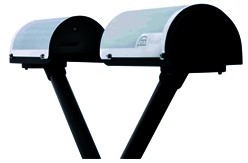
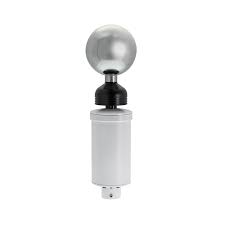
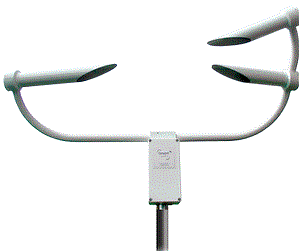
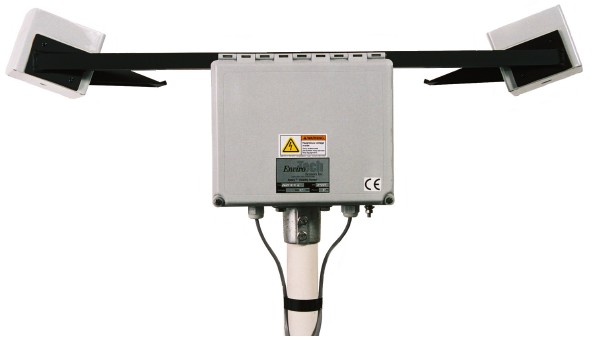
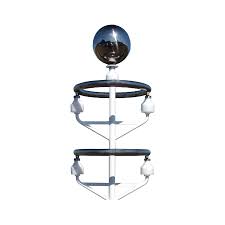
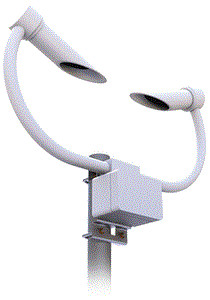
In the modern world of meteorology, measuring temperature and humidity is not enough to obtain a complete picture of conditions in the field. The Weather Phenomena (Present Weather) category on the Meteo-Tech website brings together the global cutting edge of technology for real-time detection, classification and quantification of atmospheric phenomena. This equipment is essential for operational decision-making, risk management, ensuring transportation safety (air, sea and land) and in-depth climate research.
We offer a wide range of smart sensors that automatically detect visibility, precipitation types (rain, snow, hail), hazardous phenomena such as freezing rain, sand and dust storms, as well as lightning and thunderstorm detectors. All systems in the catalog are designed for seamless integration with data acquisition systems (data loggers) and automated weather observing systems (AWOS), and are adapted to operate in particularly harsh environmental conditions.
What Are Weather Phenomena Detection Systems (Present Weather Sensors)?
Present Weather sensors, also known by the acronym PWS, are electro-optical and microwave instruments designed to replace or supplement human observers. According to the definitions of the World Meteorological Organization (WMO), there are dozens of different codes describing the "present weather". These sensors use advanced algorithms and digital signal processing to identify which WMO code (for example: NWS codes or WMO Table 4680) is currently occurring outside the window.
The systems can distinguish between a raindrop and a snowflake based on the physics of the particle's fall (its terminal velocity relative to its diameter). They can differentiate between fog (water vapor) and haze or smoke (solid particles) based on how light is scattered. The ability to provide objective, continuous data without human intervention makes these sensors critical in national infrastructure.
Types of Phenomena and the Key Sensors in This Category
In this online catalog, we have gathered the most accurate solutions according to the type of phenomenon being measured. Engineers and procurement staff can filter and select the system required for their project and add it to the RFQ basket to receive a tailored price quote.
Visibility Measurement (Visibility) and Light Scattering Sensors (Forward Scatter)
Poor visibility is one of the most significant risk factors in transportation. Our visibility sensors are based on Forward Scatter technology. An infrared transmitter emits a beam of light, and a receiver positioned at a certain angle (usually around 35 to 45 degrees) measures the amount of light scattered by particles suspended in the air (fog droplets, dust, smoke).
- Measurement range: the instruments measure visibility from short distances of about 10 meters (very dense fog) up to visibility of 75 kilometers and more (completely clear air).
- Applications: critical for runways (RVR measurement - Runway Visual Range), high-speed toll roads, seaports for clearing ships to enter, and drone and helicopter landing sites.
Precipitation Classification (Precipitation Identification)
Unlike a standard rain gauge, which measures only the amount of accumulated water, a PWS sensor identifies the exact type of precipitation. Through optical analysis of each particle that crosses the laser or infrared beam, the system determines whether it is drizzle, light/moderate/heavy rain, hail, snow, or rain mixed with snow (sleet). The sensor also reports precipitation intensity (rain rate) in real time (millimeters per hour).
Freezing Rain Sensors (Freezing Rain) and Ice Accretion
Freezing rain is considered one of the most dangerous phenomena in aviation and infrastructure. It is a phenomenon in which raindrops fall at sub-zero temperatures but remain in a liquid state (supercooled water) until they strike a surface – where they freeze immediately. These sensors use vibration technologies (a resonant frequency that changes as ice accumulates on the sensor probe) or capacitive technologies to detect ice accretion in its earliest stages and automatically trigger alarms or de-icing systems.
Lightning and Thunderstorm Detectors (Lightning Detection)
Thunderstorm warning systems are designed to provide early warning before lightning strikes a sensitive area. These detectors measure changes in the atmosphere's electric and magnetic fields and can detect cloud-to-ground (CG) and cloud-to-cloud (CC) lightning at ranges of up to tens of kilometers. They provide information on the distance of the storm and the direction of its approach. Essential for hazardous materials plants, desalination facilities, military bases and national parks.
A Perfect Fit for the Israeli Climate – From the Coastal Plain to the Arava (GEO Targeting)
As a leading B2B supplier of scientific and meteorological equipment in Israel, Meteo-Tech understands that standard equipment may not survive local conditions. The weather in Israel poses a series of unique challenges for automatic observation instruments, which is why we choose to import only models that have been adapted to the following extreme conditions:
- Dust Storms, Haze and Sand Particles (Negev & Arava): unlike Europe, where poor visibility is caused mainly by fog (water), in Israel poor visibility is frequently caused by heavy haze and sandstorms coming from the region's deserts. The systems must optically distinguish between a dust particle and a water particle. In addition, the instruments' windows must be coated with dust-repellent materials (Hydrophobic/Anti-Dust) and include blower systems that clean the lenses to prevent sand buildup that would disrupt readings in the Negev and the Arava.
- Corrosive Humidity and Marine Salinity (Coastal Plain & Haifa): equipment installed at the ports of Ashdod and Haifa, or along the coastal highway, is exposed to sea spray and high humidity that cause corrosion. The sensors offered in the catalog are built from high-quality anodized aluminum alloys or stainless steel (Stainless Steel 316L), are rated IP66/IP67 for sealing, and are equipped with internal heating elements to prevent dew condensation on the optics.
- Extreme Summer Heat: deploying equipment along the Jordan Valley, the Dead Sea region and the Arava requires resistance to continuous operation at ambient temperatures that can climb above 45 degrees Celsius, and housing temperatures that can reach 70 degrees under direct sunlight.
Target Audiences and Industries: Who Needs Weather Phenomena Monitoring?
The equipment in this category is not intended for home users; rather, it is critical infrastructure for buyers, procurement managers and engineers in the B2B and B2G sectors in Israel:
- Infrastructure and Intelligent Transportation (ITS): traffic management on highways requires electronic warning signs (VMS) to be activated automatically when entering a fog pocket or when there is a risk of skidding due to sudden rain. Correct identification of conditions prevents multi-vehicle pile-ups. In addition, this information is critical for railway control systems.
- Aviation (Civil & Military Aviation): under ICAO standards, every commercial or military airport is required to provide continuous METAR reporting containing cloud, visibility and precipitation type data. Our systems comply with these international standards and integrate into the airports' AWOS systems.
- Heavy Industry and Renewable Energy: wind turbines must be stopped when there is a risk of ice accumulating on the blades (which can cause destructive imbalance). Solar facilities use haze sensors to calculate losses in radiation efficiency (soiling effect). In addition, chemical plants require lightning detectors to halt the transfer of flammable materials when a thunderstorm is approaching.
- Agricultural Research and Academia: research institutes, universities and agricultural experiment stations use these sensors to study microclimate, understand pathogens that depend on humidity and precipitation types, and build models for predicting surface runoff into reservoirs and floods.